作者: chenxinww

  • Chemical Vapor Deposition (CVD)

    core equipment for thin film deposition in semiconductor manufacturing

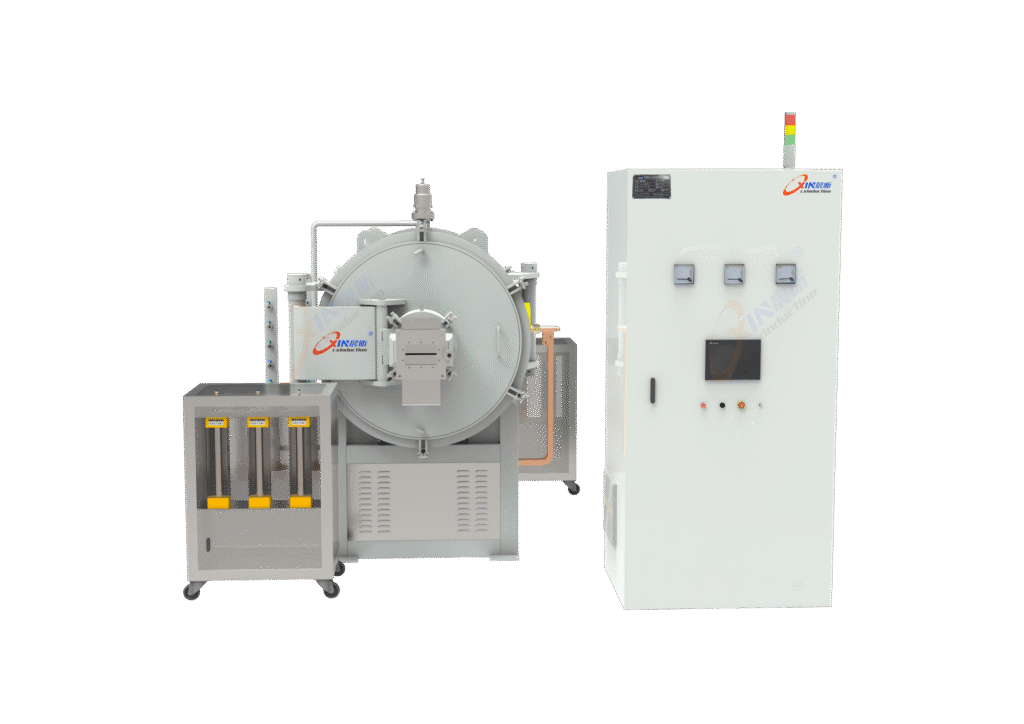
    The chemical vapor deposition (CVD) furnace is a core equipment for thin film deposition in semiconductor manufacturing. Its fundamental principle involves inducing chemical reactions of gaseous precursors on a heated substrate surface to form and deposit solid thin films. To clarify, multiple branches exist within chemical vapor deposition, commonly referred to as CVD. Depending on reaction conditions, various technical branches have been derived, including atmospheric pressure CVD (APCVD), low-pressure CVD (LPCVD), plasma-enhanced CVD (PECVD), and atomic layer deposition (ALD) for advanced processes. Taking the widely used LPCVD as an example, it operates under vacuum conditions below 0.1 MPa, where the increased mean free path of gas molecules significantly improves film uniformity and step coverage, with typical working temperatures ranging between 425°C and 900°C. In contrast, PECVD utilizes plasma enhancement to substantially reduce reaction temperatures to 200-400°C, preventing high-temperature damage to devices. Collectively, these systems form the technological foundation for semiconductor thin film material preparation.

    In the semiconductor chip manufacturing process, CVD technology is used to deposit various key thin-film materials. Specifically, a wide range of methods like chemical vapor deposition (CVD) are employed for polycrystalline silicon, silicon nitride, and barrier layers. Specific applications include: polycrystalline silicon films for gates and capacitors, silicon nitride (Si₃N₄) and silicon oxide (SiO₂) films for device isolation and passivation layers, as well as barrier layers (such as titanium nitride TiN) and conductive layers (such as tungsten) for metal interconnects. Additionally, CVD furnaces play a particularly prominent role in the third-generation semiconductor field, such as in the high-quality homoepitaxial growth of silicon carbide (SiC) power devices, and in the growth of large-size, low-defect SiC single-crystal substrates using high-temperature chemical vapor deposition (HTCVD) at 2100~2300°C. This technology is also widely used in preparing epitaxial layers of compound semiconductors (such as GaN, GaAs) required for LEDs and RF devices.

    Currently, as semiconductor device structures evolve toward 3D and miniaturization, CVD technology faces higher demands. Moreover, the adoption of advanced manufacturing processes often relies on the precision of Chemical Vapor Deposition (CVD) systems for atomic-level control. ALD technology has become indispensable in manufacturing high-aspect-ratio structures (such as 3D NAND memory chips) due to its precise atomic-level control and excellent three-dimensional conformality. From an industrial perspective, CVD equipment is advancing toward higher purity, better uniformity, and greater production capacity. Chinese enterprises and research institutions have made significant breakthroughs in key technological areas, such as successfully developing silicon carbide CVD equipment with coating purity no less than 99.9999% and commercial APCVD equipment with film thickness uniformity controlled within 2%, achieving industry-leading technical specifications and strongly advancing the localization of high-end semiconductor equipment.
     

  • Cxinduction™ High-Temperature Equipment Successfully Exported to Saudi Arabia

    High-Temperature Equipment Successfully Exported to Saudi Arabia

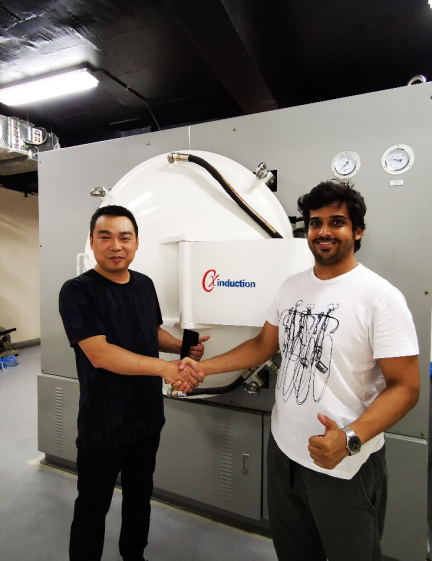
    In July 2019, Cxinduction successfully delivered customized high-temperature furnace equipment to a customer in Saudi Arabia. This was a repeat order following an earlier collaboration.

    The furnace was developed for the customer’s specific requirements for graphitization of anode materials. Cxinduction’s research, design, procurement and production teams coordinated the project and adapted the equipment to the customer’s operating conditions and production needs.

    The repeat order reflects the customer’s continued confidence in Cxinduction’s equipment and service. Cxinduction continues to provide customized heat-treatment solutions for carbon materials, together with installation and after-sales support for international customers.

  • The 1st International Forum on Graphene in Ulanqab & CSE2018

    The 1st International Forum on Graphene in Ulanqab & CSE2018

    In August 2018, Cxinduction participated as a sponsor in the first International Forum on Graphene in Ulanqab, Inner Mongolia, and the 16th China–Japan–Korea international symposium on carbon materials, known as the Carbon Saves the Earth symposium.

    The event brought together researchers and industry representatives to discuss graphene preparation, applications and industrial development. Discussions covered progress in standardized, scalable and lower-cost preparation methods, alongside challenges in application markets, industry standards and original basic research.

    Priorities reported at the forum included stable production of high-quality graphene, further improvements in preparation technology, demonstration application supply chains, coordinated industry development and faster adoption at scale.

    Participation helped Cxinduction follow developments in carbon materials and graphene applications, informing its research and development of heat-treatment equipment and its support for customers in these fields.

  • Cxinduction™ High-Temperature Furnaces Successfully Delivered to Leading Japanese Graphite Company

    High-Temperature Furnaces Successfully Delivered to a Japanese Customer

    On 16 May 2019, a Japanese company delegation led by its general manager visited Cxinduction to assess its production, inspection and machining facilities. The delegation included representatives responsible for products, processes, technology and purchasing.

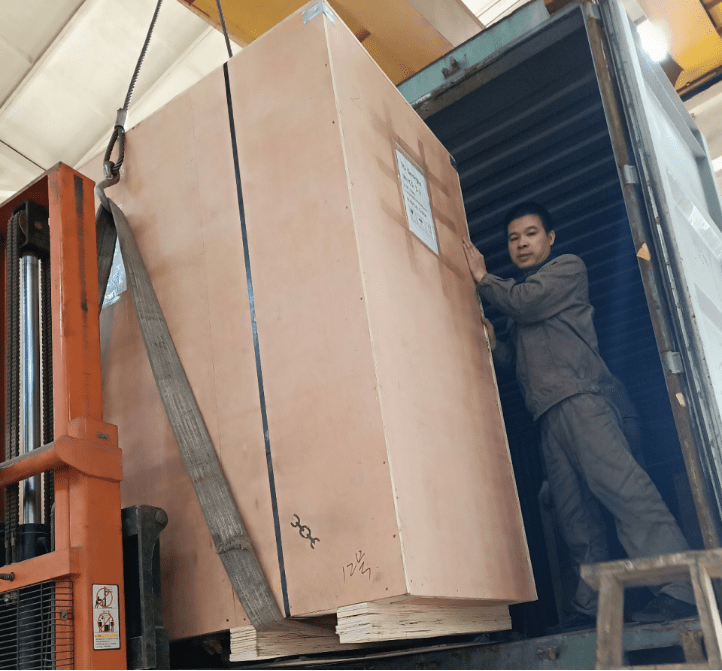
    Following the visit, Cxinduction developed a customized high-temperature furnace for the customer. Research, design, procurement and production teams worked together to meet the required process conditions. The equipment passed the customer’s factory acceptance inspection and was delivered on 7 December 2019.

    Installation and commissioning took place in Japan in January 2020. Vacuum piping and the internal heating framework were installed on 17 January, internal wiring on 18 January, and electrical connections and the water-cooling system on 19 January. The first heating test was completed on 20 January. On 22 January, the equipment completed its initial trial run successfully and was handed over for production.

    The project demonstrates Cxinduction’s ability to provide customized thermal equipment, manufacturing quality control, and overseas installation and commissioning support.

  • CXinduction™ successfully delivered the high temperature furnace

    CXinduction™ successfully delivered the high temperature furnace

    Cxinduction™ successfully delivered the laboratory high-temperature graphitization furnace produced for foreign university. This equipment is compact design, fully automated with one-button start-up operation, special induction coil design with max temp 3000℃, it can meet the ultra-high temperature graphitization heat treatment of various new carbon materials and is suitable for universities, laboratories, and research institutes. Cxinduction™ will always focus on new carbon materials, continue to innovate, and provide global customers with high-quality, high-efficiency products and services.

  • Application of 3000℃ graphitization furnace

    Application of graphite furnace

    The main application areas of 3000℃ high-temperature graphitization furnaces:
    1. Material research and development: For example, high-temperature graphitization furnaces can be used to sinter and synthesize carbon-carbon and carbon-ceramic composite materials, and can also be used to prepare advanced materials such as graphene and nanomaterials.
    2. Carbon material preparation: Graphitization furnaces can also be used to prepare carbon materials, such as carbon nanotubes, carbon black, etc.
    3. Chemical synthesis: High-temperature graphitization furnaces play a very important role in organic synthetic chemistry and can be used for the synthesis of organic compounds and the preparation of catalysts. For example, common organic synthesis reactions such as catalyst reactions can be carried out in high-temperature graphitization furnaces.
     With the continuous development of science and technology, the application areas of high-temperature graphitization furnaces will continue to expand, bringing more innovation and development opportunities to all walks of life.

  • What factors affect the temperature uniformity of graphitization furnace?

    What factors affect the temperature uniformity of graphitization furnace?

    Graphitization furnace is a ultra-high temp furnaces used in graphitization process, temperature uniformity directly affects product quality. Factors affecting the temperature uniformity of graphitization furnace mainly include the following aspects.

    First, furnace design. Furnace design includes furnace shape, size, layout of heating elements, etc. The furnace shape should be reasonable to ensure that the atmosphere flow evenly; the furnace size should match the product to be processed to avoid uneven temperature caused by Unreasonable size. The layout of heating elements should be determined according to the product properties and heating requirements to ensure uniform temperature distribution in the furnace.

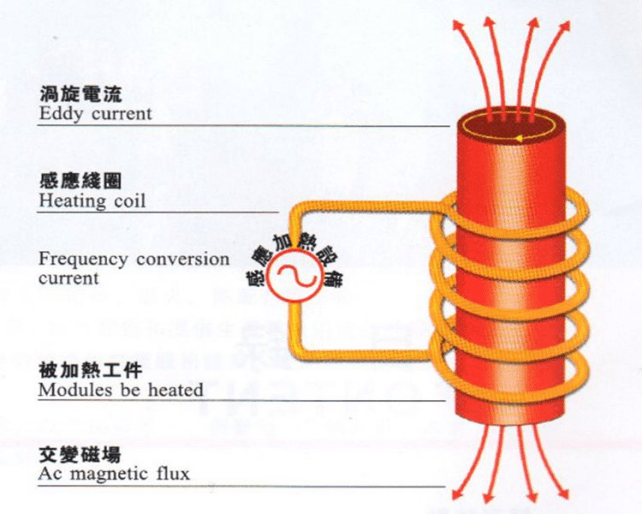
    Secondly, the heating method has a greater impact on the temperature uniformity and Max Temp. The  graphitization furnace adopts medium frequency induction radiation heating, which has higher heating efficiency and faster heating speed and can reach 3000C easily. Compared with the resistance heating method, it is easier to maintain and has a longer service life.

                                                                       Induction coil  Fast heating

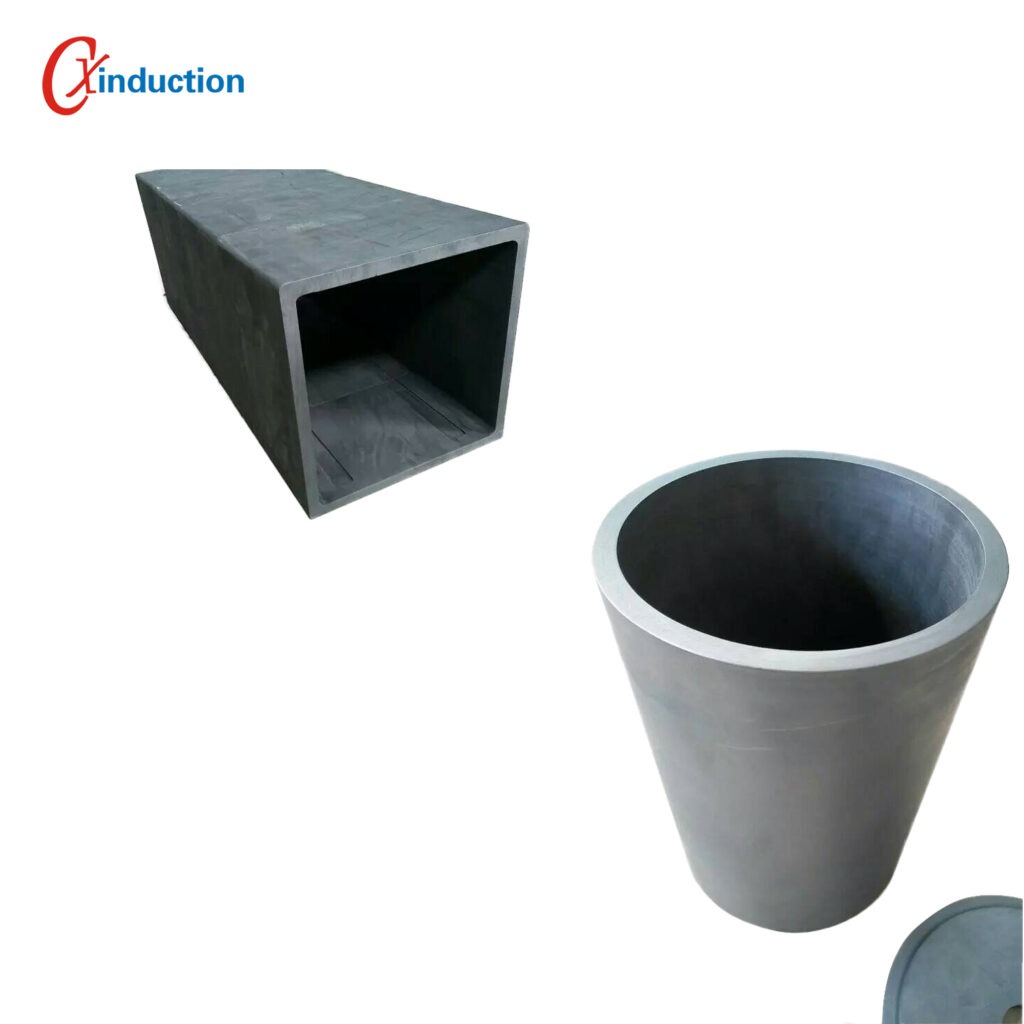
    Round and square graphite crucibles
  • Precautions of 3000℃ graphitization furnace

    Precautions of 3000℃ Graphitization Furnace


    The graphitization furnace is an essential experimental equipment for carbon material research, which is used for graphitization of carbon materials. The following issues need to be noted when using the graphitization furnace:

    First, it is necessary to check whether the graphitization furnace and related accessories are intact to ensure that there is no damage or looseness before heating.

    Second, watch the power and temperature setting during heating, adjust it according to the needs of the experiment to avoid damage to the equipment or accidents caused by excessive temperature or excessive power.

    Third, strictly follow the operating procedures during heating and cooling process..

    Fourth, clean the graphitization furnace in time after use, remove residues and dust, and keep the furnace clean.

    Fifth, perform regular maintenance, such as replacing graphite crucible and insulation felt, cleaning heating tubes, etc., to ensure the normal operation of the equipment.

    Sixth, When the graphitization furnace is not in use, it is necessary to evacuate to prevent the graphite material from absorbing moisture

  • National New Carbon Material Conference–C/C composites & battery

    National New Carbon Material Conference–C/C composites & battery

    Cxinduction™ participated in the 11th National New Carbon Materials Academic Symposium

    In August 2013, the 11th National Symposium on New Carbon Materials was held in Taiyuan, Shanxi. More than 300 experts and scholars from colleges and universities, research institutes and industrial sectors attended the symposium. Research on traditional carbon materials such as carbon fiber and its composite materials, carbon-based composite materials and porous carbon is still hot, and new progress has been made in theory, performance and application research. Due to the characteristics of carbon materials such as light weight, rich pore structure, good chemical stability and strong biocompatibility, they have broad application prospects and a good preliminary research foundation in energy storage (supercapacitor electrodes, lithium ion or lithium sulfur battery electrodes, etc.). With the rapid development of the preparation and performance research of new carbon materials, their superiority and potential applications in energy storage have received more and more attention. The successful convening of the National Symposium on New Carbon Materials provides a platform for mutual learning and communication for carbon material workers across the country, which can greatly improve the academic research level of China’s new carbon materials and promote the application and development of the new carbon materials industry.

    Cxinduction™ can make graphitization furnace for CC composites and battery anode materials, if you’re interested, pls click :battery anode purification graphitization furnace

    CC/carbon-ceramic composite graphitization furnace

  • National New Carbon Material Conference

    National New Carbon Material Conference –Carbon fiber

    Cxinduction™ participated in the 5th National New Carbon Materials Academic Seminar

    In October 2001, the 5th National Symposium on New Carbon Materials was held in Mianyang, a city in western of China.

    190 delegates attended the symposium, including experts and scholars from the elder, middle and young generations in China. Famous Japanese scholars such as Michio Inagaki, Kazuo Kobayashi and Shushi Kimura were invited to attend the symposium.

    In the conference report, the discussion of research, development and production of PAN-based carbon fibers involved many aspects such as scientific and technological innovation and institutional innovation, and the new ideas were widely agreed and valued by the participants. Professor M. Inagaki (Michio Inagaki) had a wonderful speech on the recent topic of graphite intercalation compounds, which offered new inspiration to the participants.

    Cxinduction™ can make 2700℃ continuous graphitization furnace for carbon fiber, if you’re interested, pls click :Carbon fiber,Carbon paper,Silicon carbide fiber Graphitization furnace