作者: chenxinww

  • – Graphite Fiber Continuous Graphitization Furnace

    image 1767766217029


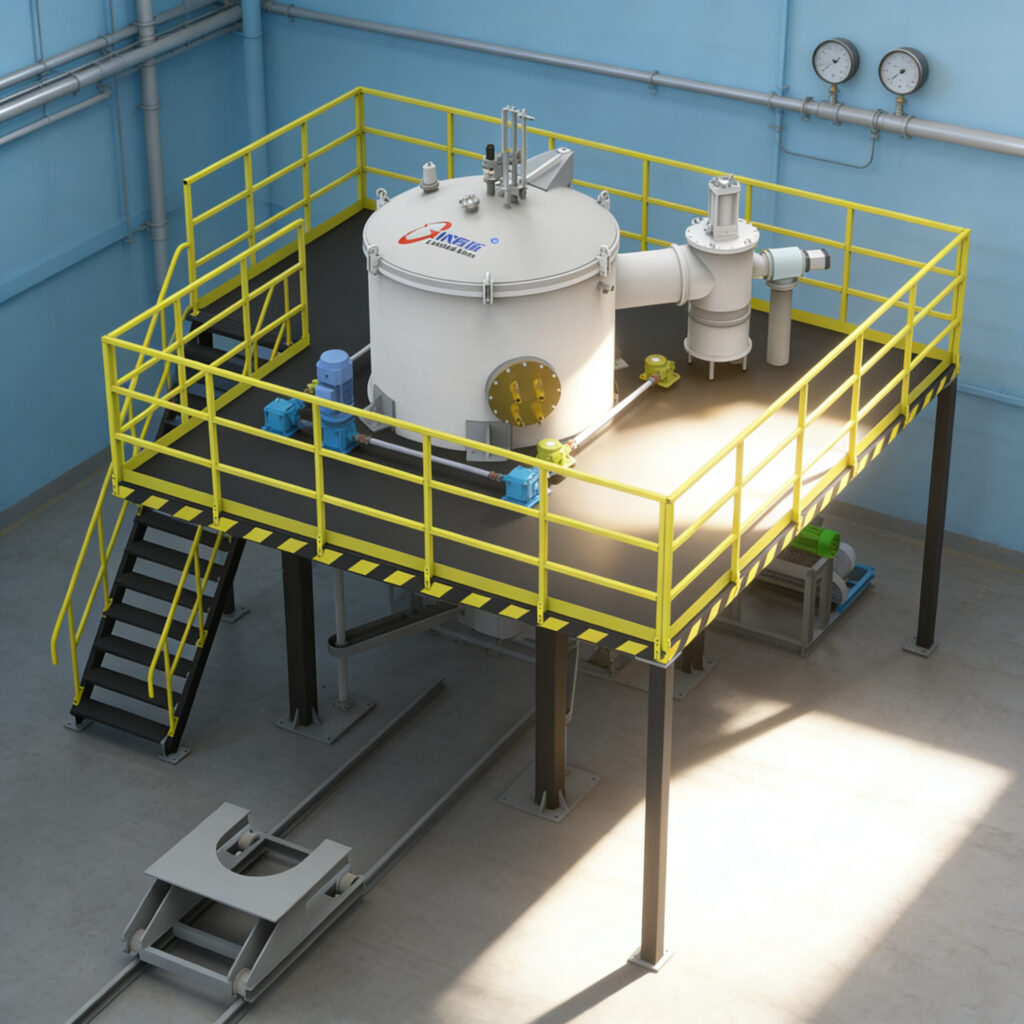
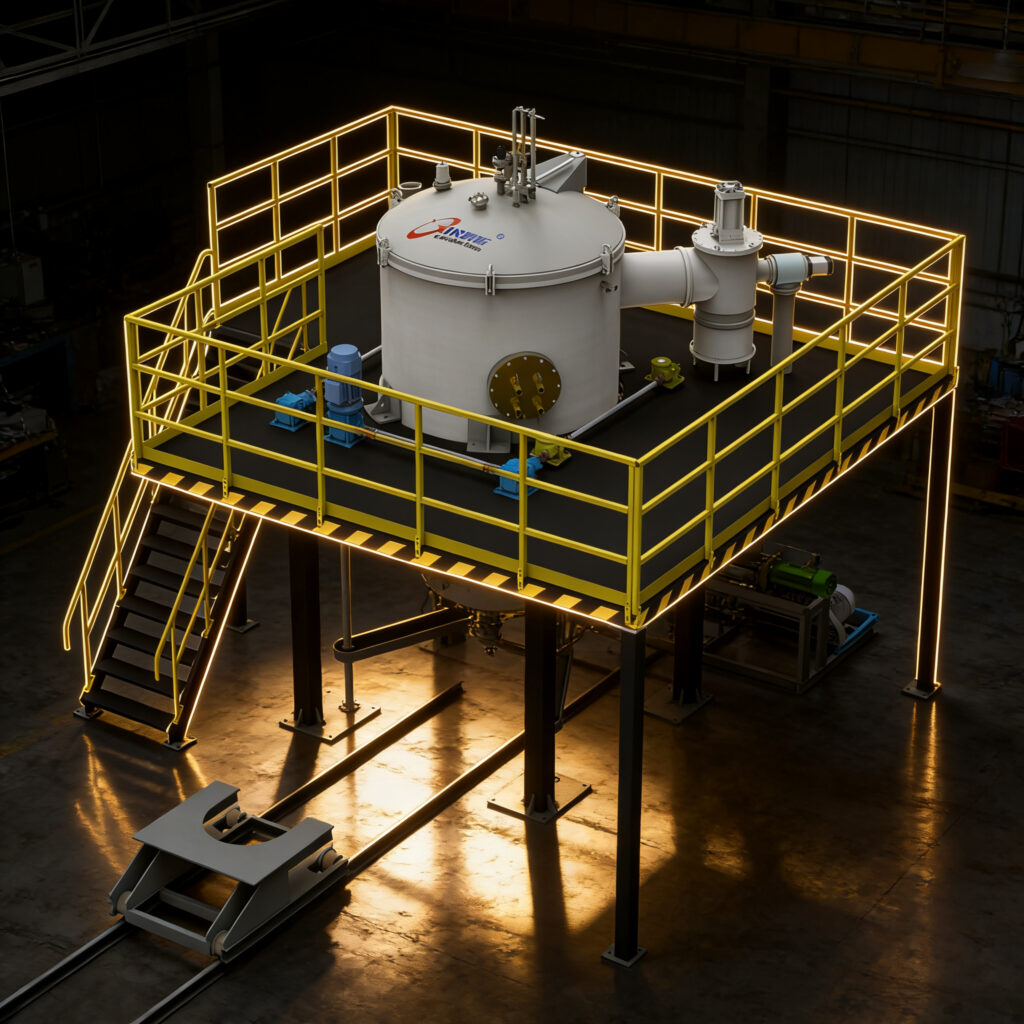
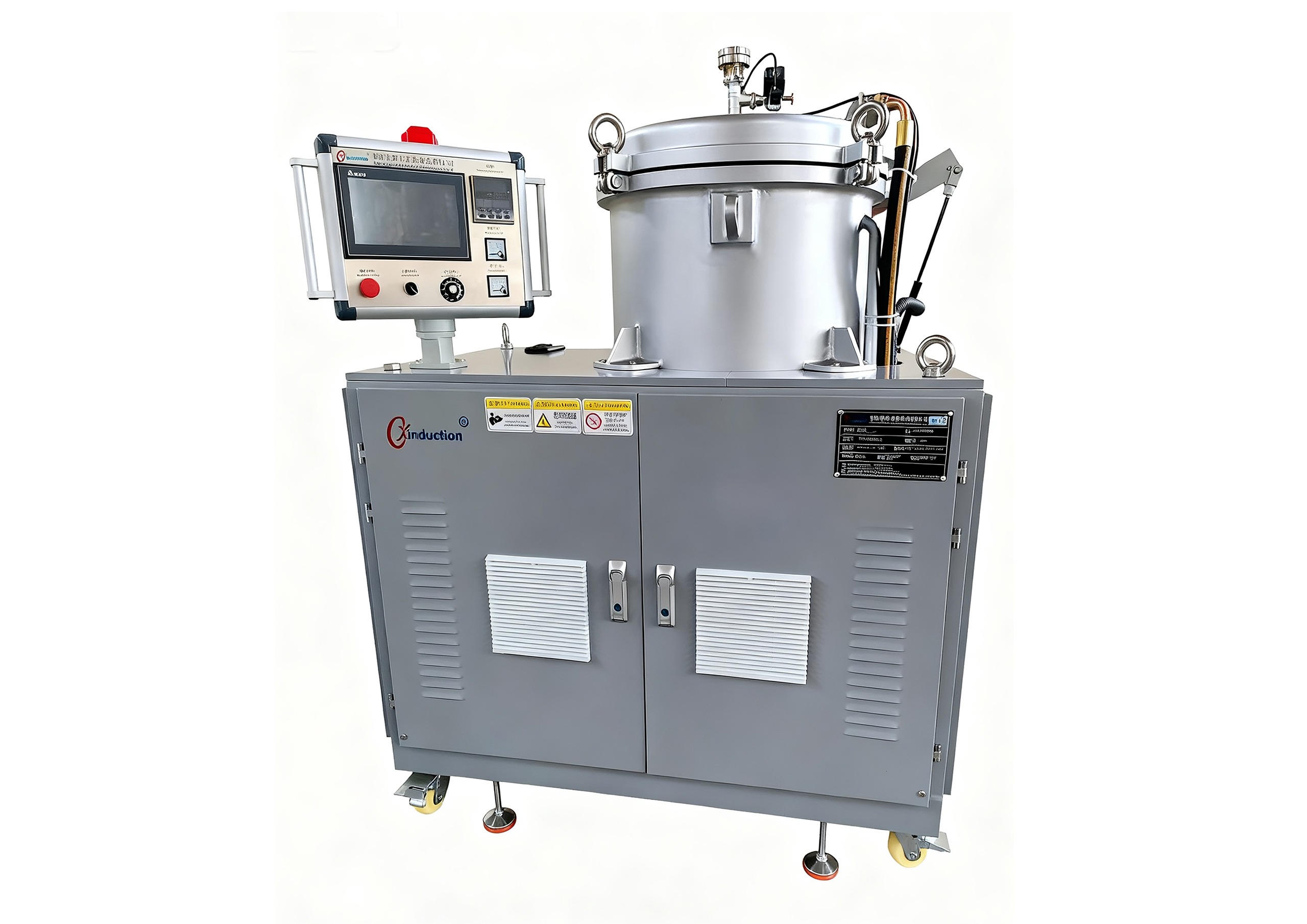
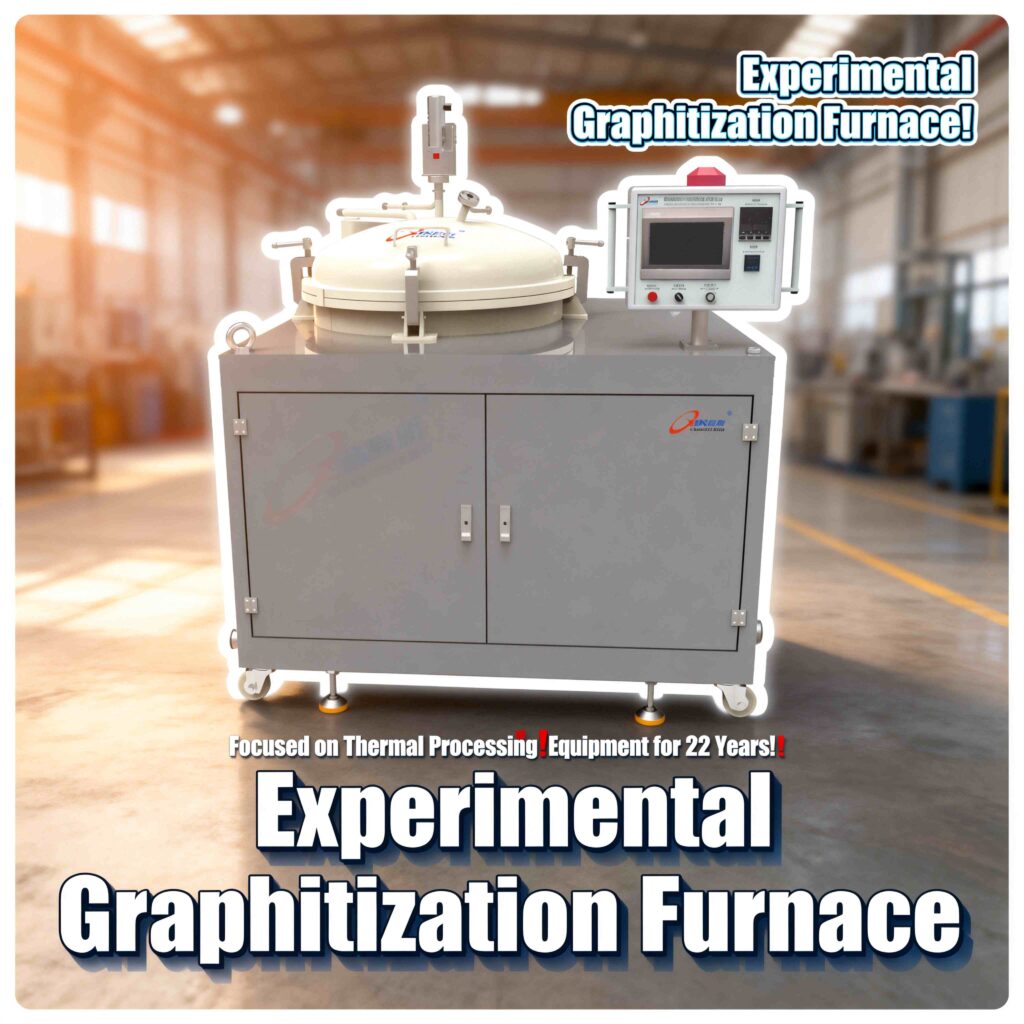
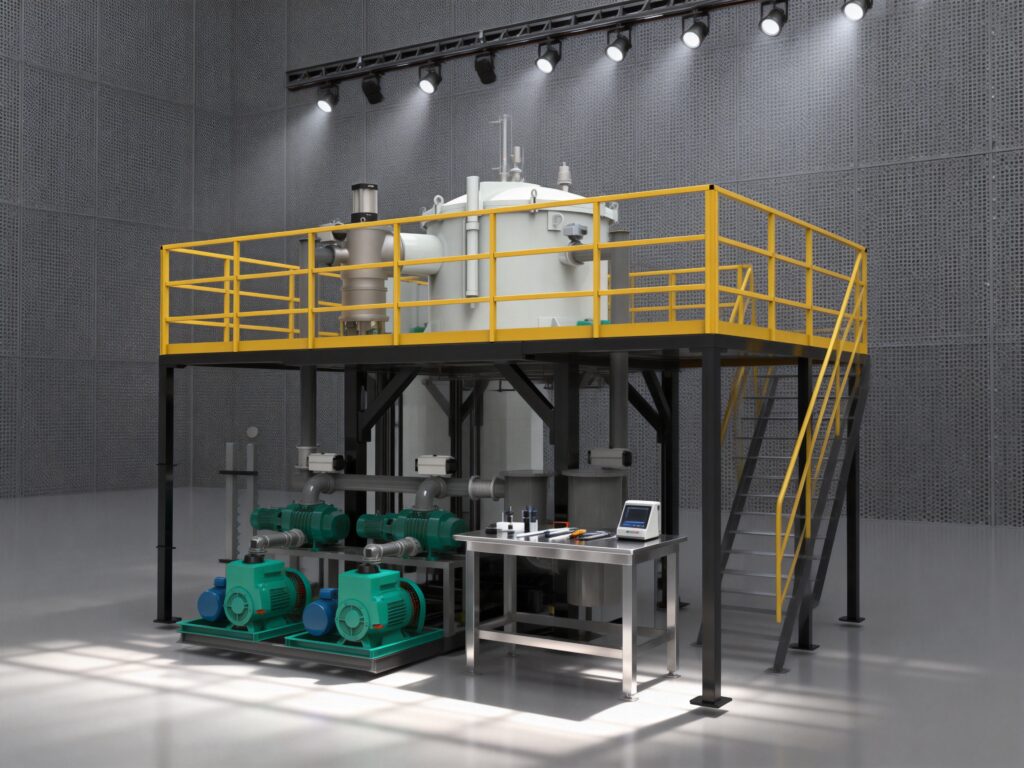
    The rapid technological breakthrough of graphite fiber continuous graphitization furnace has completely upgraded the production mode of high-performance graphite materials. Featuring ±5℃ precise temperature control and AI real-time error correction technology, this advanced industrial equipment boosts graphite fiber tensile strength by 15% and cuts production cycle by 40%. As a core device in advanced material manufacturing, continuous graphitization furnaces have become indispensable equipment for aerospace, new energy, and 5G heat dissipation industries. This article explores the working principle, core advantages, technical differences of manufacturers, and industrial application value of continuous graphitization furnaces.


    1. Continuous Graphitization Furnace: Leap from Laboratory to Industrial Mass Production

    Traditional intermittent graphitization furnaces suffer from multiple temperature rise and fall processes, accompanied by high energy consumption, low efficiency, and unstable fiber quality. Different from outdated batch furnaces, the continuous graphitization furnace adopts a dynamic heating system to realize uninterrupted graphitization treatment. Graphite fibers move steadily inside the furnace and complete high-temperature graphitization in continuous operation.

    Reliable manufacturers focus on three core technical indicators to guarantee equipment stability:

    • Precision Temperature Control: The temperature control accuracy is controlled within ±5℃ to avoid internal cracking of graphite fibers caused by uneven thermal stress.
    • Uniform Atmosphere Protection: Equipped with an inert gas circulation system to isolate oxygen and prevent oxidation damage to the fiber surface.
    • Stable Material Transmission: Customized roller tables and traction devices ensure fiber deformation resistance under ultra-high temperature conditions.

    2. Technical Differences Among Continuous Graphitization Furnace Manufacturers

    Although the external structure of industrial graphitization furnaces is similar, subtle technical gaps directly determine fiber yield and production cost. Excellent manufacturers constantly optimize heating mode, furnace body materials, and intelligent control systems to upgrade equipment from “usable” to “excellent”.


    2.1 Diversified Heating Technology

    Resistance heating is widely used for its simple structure and low initial investment, while advanced induction heating technology improves thermal efficiency by more than 30%. Professional manufacturers solve electromagnetic shielding and material coupling problems, making induction heating the mainstream choice for high-end graphite fiber production.


    2.2 High-temperature Resistant Furnace Body Material

    The furnace lining refractory bricks need to withstand ultra-high temperature above 2500℃ and resist corrosion from graphite dust. The optimized insulation layer balances heat insulation performance and volume, effectively reducing heat loss and lowering long-term energy consumption.


    2.3 AI Intelligent Control System

    Top-ranking manufacturers integrate high-precision sensor networks and AI algorithms to build an intelligent production system. The system monitors furnace temperature, gas pressure, and atmosphere concentration in real time. Once tiny cracks appear on the fiber surface, the equipment automatically adjusts the heating rate and inert gas flow to prevent defect expansion, realizing active error correction and unmanned stable operation.


    3. Industrial Impact: Promote Graphite Fiber Industry Transformation

    The large-scale promotion of continuous graphitization furnaces has accelerated the transformation of the graphite fiber industry from extensive production to precision intelligent manufacturing. In terms of production benefits, continuous processing greatly reduces production costs, expanding the application scope of graphite fibers in new energy battery components and 5G base station heat dissipation materials.

    In high-end manufacturing fields, mass production of high-strength graphite fibers supports lightweight composite materials. It effectively realizes energy conservation and emission reduction in aerospace, rail transit, and industrial precision manufacturing. Data shows that continuous graphitization technology increases fiber tensile strength by 15% and shortens the production cycle by 40%, bringing substantial economic benefits to downstream manufacturers.


    4. How to Choose a Qualified Graphitization Furnace Manufacturer

    For downstream material processing enterprises, selecting a professional continuous graphitization furnace manufacturer is the key to stable production. High-quality suppliers provide stable equipment operation, low defective rate, and shortened product R&D cycle. With the continuous improvement of advanced material performance standards, manufacturers with independent technical iteration capabilities will occupy a dominant position in the global market.


    Conclusion

    The technological iteration of graphite fiber continuous graphitization furnaces marks the upgrading of the global advanced material manufacturing industry. From ±5℃ precise temperature control to AI intelligent active correction, every technical optimization improves the performance and production efficiency of graphite fibers. If you are looking for high-temperature, energy-saving, and intelligent continuous graphitization equipment, please contact us for customized industrial furnace solutions to empower your graphite fiber production line.
  • What are the applications of the bottom-discharge ultra-high temperature graphitization furnace in other industries?

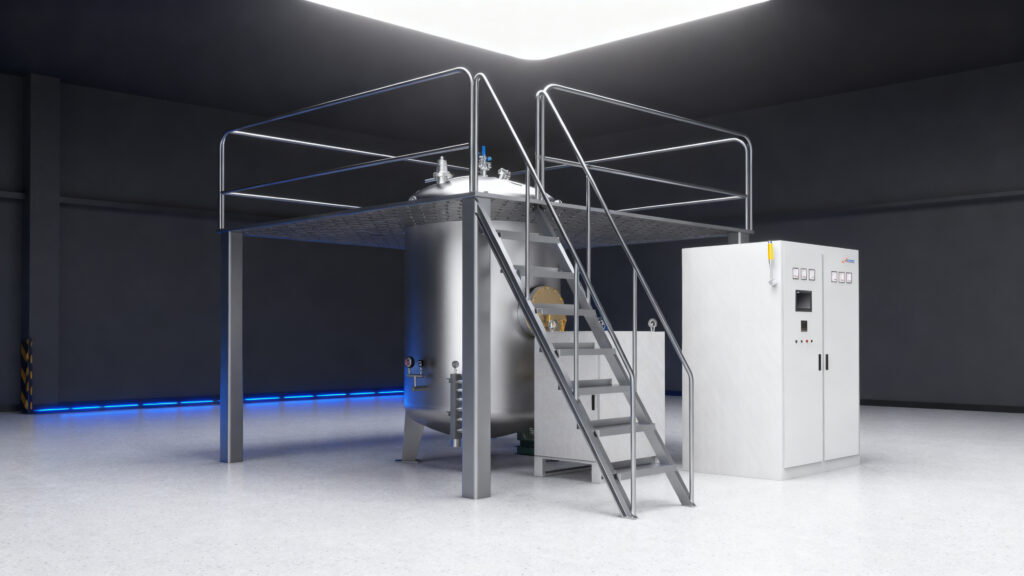
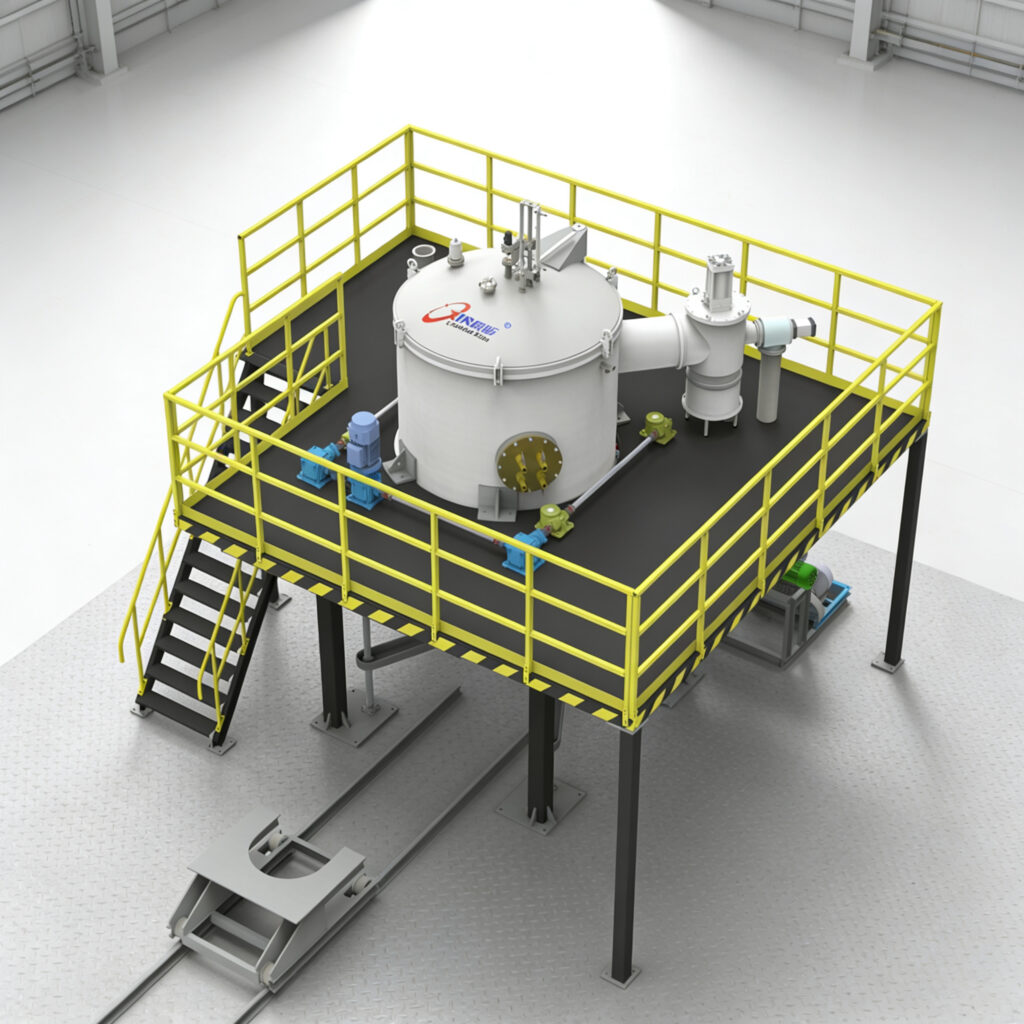
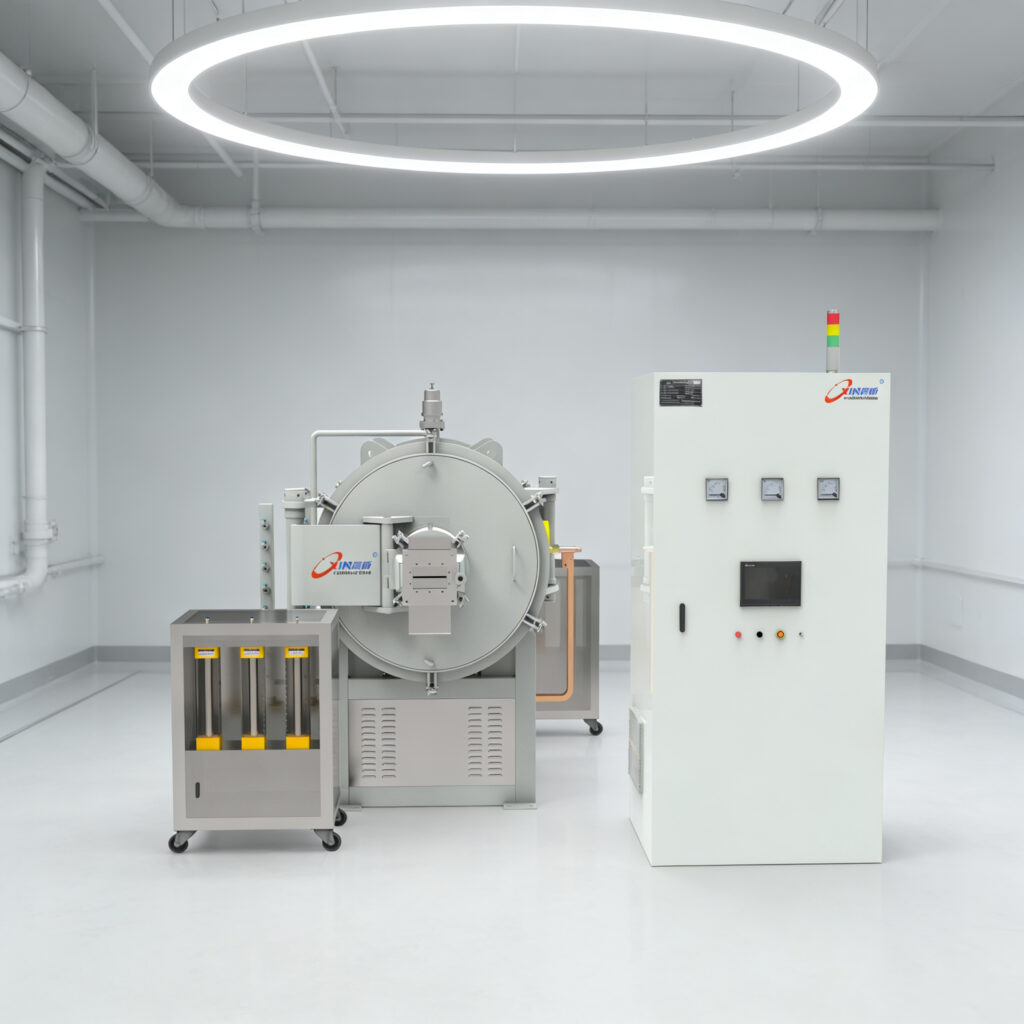
    The bottom-discharge ultra-high temperature graphitization furnace achieves continuous and efficient material processing through its bottom-discharge design, combined with ultra-high temperature (above 2500°C) graphitization technology, providing key high-purity graphite materials for non-aerospace industries such as semiconductors, metallurgy, and new energy. This furnace ensures uniform temperature distribution, significantly enhancing graphite crystallinity and purity, meeting industrial demands for thermal stability, conductivity, and corrosion resistance. In semiconductor manufacturing, high-purity graphite components like wafer carriers and heaters enable precise temperature control, ensuring chip production accuracy and yield. In metallurgy, its produced graphite electrodes for electric arc furnace steelmaking greatly improve smelting efficiency and reduce energy consumption. Simultaneously, this furnace drives the upgrade of the new energy industry chain, supplying core graphite materials for lithium battery anodes and photovoltaic equipment, supporting the large-scale application of clean energy technologies.

    烧结炉 (1)


    In the chemical and energy sectors, the application of bottom-discharge ultra-high temperature graphitization furnaces is particularly prominent. In the chemical industry,

    the high-purity graphite products they produce are used as reactor linings, seals, and electrodes, effectively resisting strong acid and alkali corrosion, extending equipment lifespan, and enhancing safety. In the hydrogen energy industry, graphite composite materials manufactured by these furnaces are utilized in hydrogen storage containers and fuel cell components, improving storage and transportation efficiency as well as durability. Additionally, in automotive manufacturing, graphite-based brake pads and bearings rely on the high-performance materials produced by these furnaces, achieving dual optimization of lightweight design and braking performance. These applications not only reduce manufacturing costs but also significantly enhance product reliability and service life under extreme operating conditions, laying the foundation for sustainable industry development.

    With the global industry transitioning toward intelligence and sustainability, the technology of bottom-discharge ultra-high temperature graphitization furnaces is accelerating its iteration and upgrade. By integrating AI control and precise atmosphere management systems, the furnace enables mass production of higher-purity graphite, expanding into emerging fields such as carbon fiber-reinforced composites and high-end electrode materials. In the future, this technology will deeply contribute to carbon neutrality goals, for instance, by optimizing graphite moderator performance in nuclear energy or developing graphene-based thermal components for electronic devices, further driving cost reduction and efficiency gains across multiple industries. This not only reinforces the core role of graphite materials in modern industry but also provides efficient and economical material solutions for the low-carbon transformation of global manufacturing。

    continuously driving industrial upgrades and technological innovation.

  • Original Manufacturer of Vacuum Sintering Furnaces: Performance Advantages and Industry Impact

    In the industrial manufacturing sector, vacuum high-temperature sintering furnaces are crucial equipment, and the manufacturers of these furnaces are the core force of the entire industry chain. These manufacturers not only possess advanced production technologies but also maintain strict control over product quality and performance. So, what are the characteristics and advantages of manufacturers of vacuum high-temperature sintering furnaces? Let’s explore this in depth.

    First, let’s understand what a vacuum high-temperature sintering furnace is. A vacuum high-temperature sintering furnace is a device that sinters materials in a high-temperature and vacuum environment. This method significantly improves the physical and chemical properties of materials, making it widely used in powder metallurgy, ceramics, electronics, and many other fields. Manufacturers directly participate in product research and development, production, and manufacturing, ensuring product quality and performance from the source.

    Technological research and development strength is one of the core competencies of manufacturers of vacuum high-temperature sintering furnaces. These manufacturers typically have professional R&D teams that continuously invest significant time and effort in technological innovation and product upgrades. By introducing advanced production processes and equipment, they can improve the temperature control accuracy, vacuum level, and stability of the sintering furnace. For example, using advanced heating technology and temperature sensors allows for precise control of the sintering process, ensuring consistent product quality. Meanwhile, the R&D team continuously optimizes product performance and functionality based on market demand and customer feedback to meet the application needs of different industries.

    A rigorous quality control system is also a key advantage of source manufacturers. From raw material procurement to product production, assembly, and testing, every step adheres to strict quality standards and testing procedures. Source manufacturers rigorously screen and inspect raw materials to ensure they meet product quality requirements. During production, advanced production management systems are employed to monitor and manage each stage, promptly identifying and resolving issues. After production, comprehensive performance and quality testing is conducted, and only products that pass these stringent tests are released to the market. This rigorous quality control system guarantees product reliability and stability, providing customers with high-quality products and services.

    Source manufacturers also offer excellent after-sales service. They have professional after-sales teams capable of responding promptly to customer needs. Whether it’s equipment installation and commissioning, operation training, or troubleshooting, the after-sales team provides comprehensive support and service. Furthermore, source manufacturers regularly follow up with customers to understand product usage and customer needs, continuously improving and refining products and services. This excellent after-sales service not only increases customer satisfaction but also builds a positive brand image for the company.

    In terms of industry impact, manufacturers of vacuum high-temperature sintering furnaces play a crucial role in driving the development of the entire industry. Their technological innovation and product upgrades promote technological progress and improve product quality across the industry. Simultaneously, the development of these manufacturers fosters collaborative development across upstream and downstream industries, forming a complete industrial chain. For example, the growth of these manufacturers drives the development of raw material suppliers and provides downstream application companies with high-quality products and services.

    In short, manufacturers of vacuum high-temperature sintering furnaces possess significant advantages in technological research and development, quality control, and after-sales service, and have a vital impact on the development of the entire industry. If you are interested in vacuum high-temperature sintering furnaces or want to learn more about them, please continue to follow this field; you will surely gain more insights.

  • Exploring the world of ultra-high temperature graphitization furnace manufacturers: a comprehensive analysis of their technology, applications, and development.

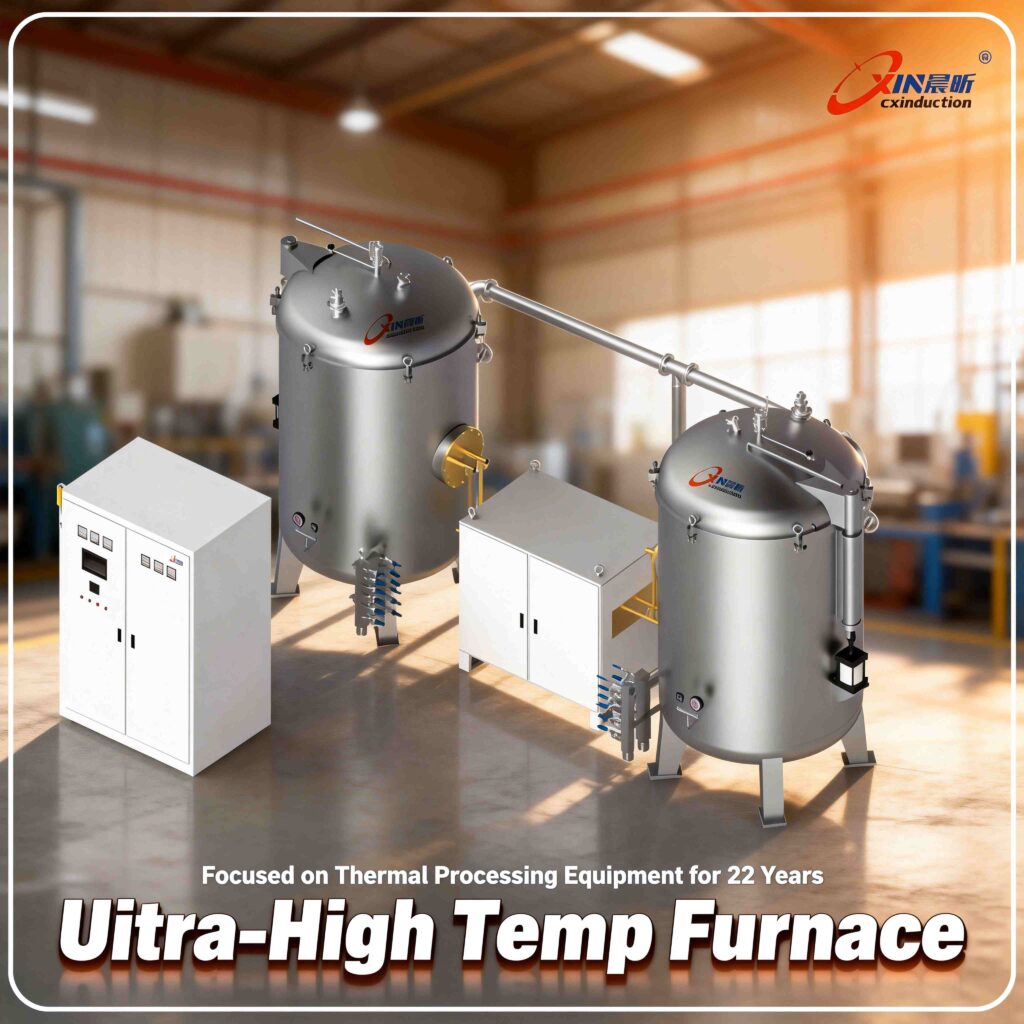
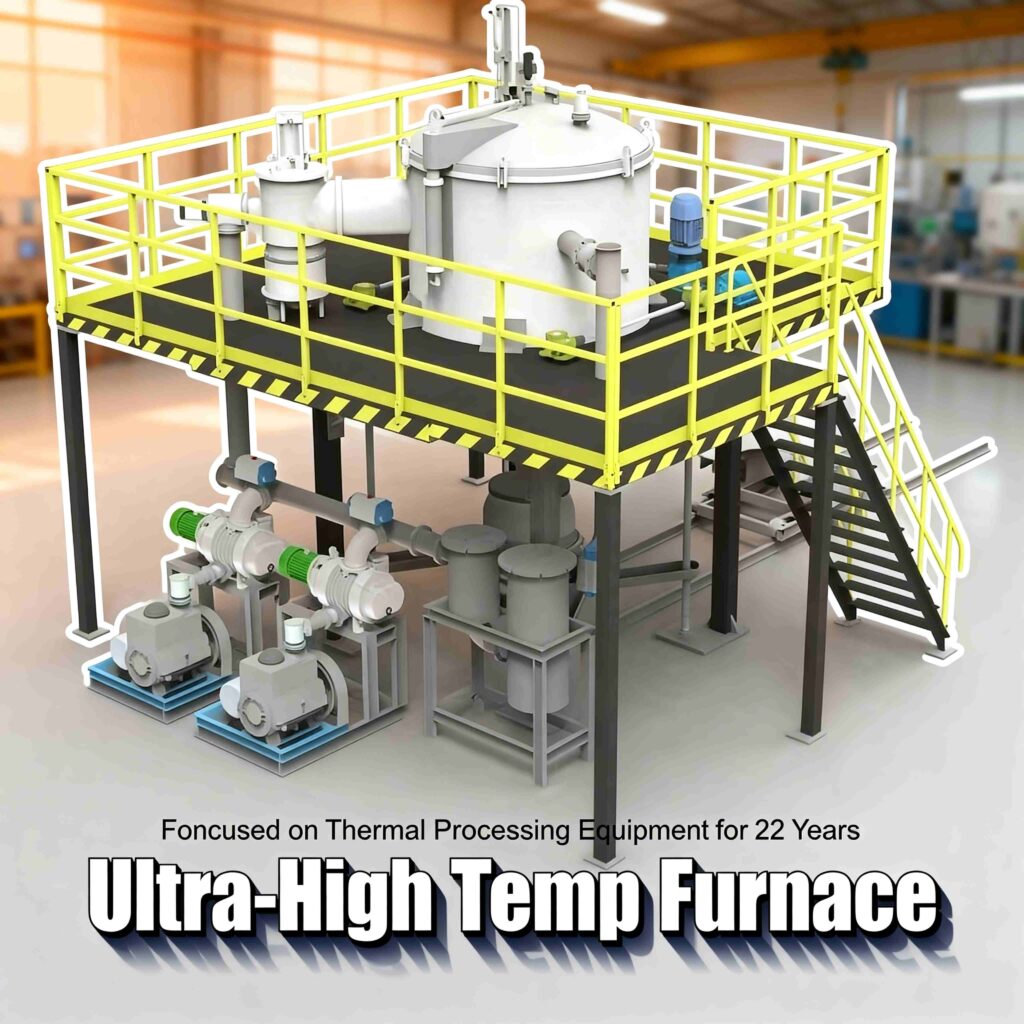
    In industrial production, ultra-high temperature graphitization furnaces are crucial equipment, playing a key role in various industries such as materials processing and new energy. Manufacturers of ultra-high temperature graphitization furnaces are a vital force driving the continuous development and innovation of this equipment. So, what are the characteristics and technologies of these manufacturers? Let’s explore this further.

    First, let’s understand the basic concept of an ultra-high temperature graphitization furnace. An ultra-high temperature graphitization furnace is a device that provides an extremely high temperature environment, allowing materials to undergo a graphitization reaction at high temperatures. Graphitization refers to the process of converting non-graphitic carbon materials into graphite at high temperatures. This process is crucial for improving the electrical conductivity, thermal conductivity, and chemical stability of materials. The core technology of ultra-high temperature graphitization furnaces lies in their ability to precisely control parameters such as temperature, pressure, and atmosphere to ensure the smooth progress of the graphitization process.

    Manufacturers of ultra-high

    Manufacturers of ultra-high temperature graphitization furnaces have invested heavily in technological research and development. Advanced heating technology is key. Some manufacturers employ induction heating technology, which rapidly and efficiently converts electrical energy into heat, quickly raising the furnace temperature. Induction heating also offers advantages such as uniform heating and precise temperature control, meeting the graphitization needs of various materials. The equipment’s temperature control system is another crucial focus for manufacturers. By employing advanced sensors and control systems, the furnace temperature can be monitored in real time and adjusted according to set parameters, ensuring the stability and consistency of the graphitization process.

    Beyond technology, manufacturers of ultra-high temperature graphitization furnaces also emphasize product application and service. In application areas, ultra-high temperature graphitization furnaces are widely used in industries such as new energy, electronics, and aerospace. In the new energy sector, they can be used for graphitization of lithium battery anode materials, improving battery performance and lifespan; in the electronics industry, they can be used to prepare high-performance graphite electrodes. Regarding service, manufacturers provide customers with comprehensive technical support and after-sales service. From equipment installation and commissioning to routine maintenance and troubleshooting, manufacturers can respond promptly to customer needs, ensuring the normal operation of the equipment.

    image 1776061454450

    The development of ultra-high temperature graphitization furnace manufacturers also faces several challenges. One is the increasing environmental protection requirements. With growing environmental awareness, manufacturers need to continuously improve production processes to reduce energy consumption and pollutant emissions. Increased market competition is another challenge. As market demand continues to grow, more and more manufacturers are entering this field, leading to increasingly fierce competition. Manufacturers need to continuously improve product quality and technological levels to enhance their market competitiveness.

    Ultra-high temperature graphitization furnace manufacturers play a vital role in promoting the development and application of ultra-high temperature graphitization furnace technology. Through continuous innovation and improvement, they provide high-quality equipment and services to various industries. If you are interested in ultra-high temperature graphitization furnaces, you may wish to delve deeper into the relevant knowledge and explore the mysteries of this field.

  • Zhuzhou Chenxin: Building a Benchmark in the Thermal Equipment Industry with Core Strength

    As a core supplier of thermal equipment for China’s emerging strategic materials industry, Zhuzhou Chenxin Medium and High Frequency Equipment Co., Ltd., with 20 years of focus and innovation, has won numerous industry honors, accumulated strong technical strength, and become a benchmark enterprise in the thermal equipment industry, interpreting its brand philosophy of “professionalism, excellence, and innovation” with its strength.

    🌟 Certifications Demonstrate Core Strength

    National Key High-tech Enterprise: Demonstrates the company’s core R&D capabilities in the field of high-end heat treatment equipment;

    Hunan Province Specialized, Refined, and Innovative “Little Giant” Enterprise: Reflects the company’s professional, refined, distinctive, and innovative development advantages in its niche market;

    30 National Patents: Covering core technologies such as ultra-high temperature control, furnace structure, and intelligent systems, building a solid technological moat;

    International Quality System Certification: Products meet international standards, laying a solid foundation for overseas market expansion.

    🚀 Technological Leadership, Leading Industry Development

    Overcoming the technical challenges of ultra-high temperature (3200℃), becoming one of the few domestic companies capable of producing thermal equipment at this temperature level;

    Developing a complete process chain equipment covering RT-3200℃, achieving a one-stop solution from carbonization and graphitization to sintering and purification;

    Equipped with intelligent temperature control and real-time data monitoring systems, achieving precise and automated heat treatment processes;

    Deeply rooted in strategic fields such as new carbon materials and semiconductor materials, providing customized process solutions for dozens of industries.

    🌍 Global Footprint, World-Renowned Reputation

    1000 global partners, covering five continents including Asia, Europe, Africa, and Oceania;

    Continuous repeat purchases from customers in Saudi Arabia, Australia, and other countries, continuously enhancing international market recognition;

    Providing equipment support for dozens of strategic industries such as aerospace, semiconductors, and new energy, becoming an important partner in industry development.

    Honor is recognition, but also responsibility; strength is the foundation, but also the driving force. In the future, Zhuzhou Chenxin will continue to leverage its strong technical capabilities, strict quality control, and professional service system to continuously innovate thermal equipment technology, contribute to the development of China’s emerging strategic materials industry, and strive to become the preferred partner in the global advanced composite materials field!

  • Essential Skills for Daily Use of High-Temperature Sintering Furnace

    High-temperature sintering furnaces are the core equipment for heat treatment of ceramics, metals, and composite materials. Precise temperature control, stable operation, and long-term durability are key to improving production quality. Hunan Chenxin Equipment (Zhuzhou Chenxin Medium and High Frequency Equipment) has been deeply engaged in high-temperature thermal equipment for 20 years. With RT-3200℃ ultra-high temperature technology and full-chain process solutions, we summarize essential daily use skills for you, enabling the equipment to operate efficiently, have a longer service life, and achieve more stable quality.


    Preheating Procedure

    Properly preheat the furnace chamber before starting the formal sintering process. This helps reduce the impact of rapid temperature changes on the furnace structure and improves heating efficiency.

    Uniform Loading

    Ensure the items to be sintered are placed as evenly as possible inside the furnace, avoiding local overloading or empty areas. This ensures more uniform heat distribution and prevents quality issues caused by localized overheating.

    Temperature Curve Monitoring

    Strictly set and monitor parameters such as heating rate, holding time, and cooling rate in accordance with process requirements. Precise control of these variables is critical to achieving ideal material properties.

    Regular Maintenance and Inspection

    Establish a regular maintenance plan, including cleaning the interior of the furnace chamber, inspecting the condition of heating elements, and testing the accuracy of the control system. Replace aging or damaged parts in a timely manner to maintain optimal performance.

    Gas Management (If Applicable)

    For sintering processes operated under specific atmospheres, such as metal powder sintering under nitrogen protection, ensure the gas supply system functions properly, atmosphere purity meets requirements, and no leaks occur.

    Safety Measures

    Always follow safety operating procedures and wear necessary personal protective equipment, such as heat-resistant gloves and goggles. Know the location and operation of emergency stop buttons; conduct regular emergency drills to improve response capabilities.

    Recording and Analysis

    Record detailed process parameters and results for each sintering run. Analyze potential issues by comparing data from different batches and continuously optimize the process flow.

    Environmental Adaptation

    Adjust furnace operating parameters according to seasonal changes, as ambient temperature variations may affect temperature control inside the furnace.

    Mastering and applying the above tips helps achieve a more efficient production process, effectively reduce failure rates, extend equipment service life, and save costs for enterprises.

    Essential Tips for Daily Operation of High-Temperature Sintering Furnaces

    High-temperature sintering furnaces are critical equipment in materials processing, widely used for ceramics, metals, and various composite materials. To ensure stable, efficient performance and long service life, Hunan Chenxin Equipment summarizes these essential daily operation tips:

    Preheating Program

    Preheat the furnace chamber properly before formal sintering to minimize thermal shock to the furnace structure and enhance heating efficiency.

    Uniform Loading

    Arrange workpieces evenly to avoid local overloading or empty zones, ensuring uniform heat distribution and preventing product defects from uneven temperatures.

    Temperature Curve Control

    Strictly follow process requirements for heating rate, holding time, and cooling speed. Accurate control of these parameters is essential for achieving desired material performance.

    Regular Maintenance & Inspection

    Implement a routine maintenance schedule: clean the furnace chamber, check heating elements, verify control system accuracy, and replace worn or damaged parts promptly to keep equipment in top condition.

    Atmosphere Control (If Applicable)

    For sintering under protective atmospheres (e.g., nitrogen for metal powder sintering), ensure stable gas supply, sufficient purity, and no leakage in the pipeline system.

    Safety First

    Always comply with safety protocols and wear proper PPE including heat-resistant gloves and safety goggles. Be familiar with emergency stop functions and conduct regular emergency response training.

    Data Recording & Analysis

    Document detailed sintering parameters and results for each batch. Use data comparison to identify issues and continuously optimize production processes.


    Environmental Adjustment

    Adjust operating settings seasonally, as ambient temperature changes can affect temperature control accuracy inside the furnace.

    By following these practices, you can improve production efficiency, reduce downtime, extend equipment lifespan, and lower operational costs.

    Hunan Chenxin Equipment

    Professional manufacturer of high-temperature sintering furnaces and thermal equipment, dedicated to providing reliable, high-performance solutions for advanced materials processing.

  • High-performance vacuum sintering furnace: safeguarding scientific research and production

    Precise High Temperature · Craftsmanship Sintering — High-performance Vacuum Sintering Furnace, Safeguarding Scientific Research and Production

    In the fields of new material research and development, precision manufacturing, and industrial production, high-temperature sintering and material processing are key links that determine product quality. The high-performance sintering furnaces and vacuum sintering furnaces we have developed, with their stable performance, precise temperature control, and reliable structure, have become the ideal choice for universities, research institutions, and industrial and mining enterprises. They provide professional solutions for scenarios such as powder metallurgy, ceramic preparation, high-temperature experiments, and material processing.

    This sintering furnace has a wide range of applications and can meet the high-temperature operation needs in multiple fields. Whether it is scientific research exploration in university laboratories, new material research and development in research institutes, or large-scale production and quality inspection in industrial and mining enterprises, it can easily handle tasks such as powder roasting, ceramic sintering, high-temperature experiments, chemical analysis, and material processing. It helps achieve technological breakthroughs and product upgrades, supporting high-quality innovative development with professional equipment.

    To ensure accurate temperature measurement and stable operation of the equipment, after using the automatic thermocouple in/out system for half a year, it is necessary to promptly unscrew the thermocouple base and add diffusion pump oil to guarantee precise temperature measurement and smooth transmission. After using the vacuum furnace and its supporting vacuum system for approximately half a year, vacuum sealant should be applied to axial sealing parts such as the observation window baffle base and the pneumatic vacuum butterfly valve to enhance sealing performance and eliminate potential air leakage hazards. After each sintering operation, the observation window glass should be promptly removed for cleaning to maintain a clear view and prevent residual impurities from affecting observation and the equipment’s sealing performance.

    To ensure accurate temperature measurement and stable operation of the equipment, the automatic thermocouple entry and exit system must have its thermocouple base unscrewed in a timely manner after six months of use to add diffusion pump oil, thereby guaranteeing precise temperature measurement and smooth transmission. After approximately six months of use of the vacuum furnace and its supporting vacuum system, vacuum sealant should be applied to axial sealing components such as the observation window baffle base and the pneumatic vacuum butterfly valve to enhance sealing performance and eliminate potential air leakage risks. After each sintering operation, the observation window glass should be promptly removed for cleaning to maintain a clear view and prevent residual impurities from affecting observation and the equipment’s sealing performance.

  • Methods for Detecting Graphitization Degree and Purity of Materials Processed by High-Temperature Graphitization Furnace

    The core of detection focuses on two dimensions: **structural characteristics (graphitization degree)** and **component content (purity)**. The following methods are mainstream practical techniques in the industry. Zhuzhou Chenxin Medium & High Frequency Equipment Co., Ltd. (founded in 2003, with 20 years of experience in R&D and manufacturing of high-end heat treatment equipment, and a national key high-tech enterprise) is a core thermal equipment supplier for the emerging strategic materials industry. Its series of graphitization furnaces can accurately match the processing needs of various carbon materials, not only ensuring the graphitization quality of materials but also providing standardized samples for subsequent detection. The following details are combined with material types and equipment characteristics.

    I. Materials Suitable for High-Temperature Graphitization Furnace and Adaptation of Zhuzhou Chenxin Equipment

    The core function of a high-temperature graphitization furnace is to convert various carbon materials into high-crystallinity graphite materials. Zhuzhou Chenxin’s product line covers an ultra-high temperature range of RT-3200°C, including multiple series of experimental and mass-production (vertical, continuous) equipment. It can adapt to the processing of all types of carbon materials such as natural graphite, artificial graphite, and carbon fiber, meeting both R&D and industrial production needs.

    1. Natural Graphite

    High-temperature graphitization can improve the purity and crystal structure of natural graphite, enhance its electrical conductivity and chemical corrosion resistance, and is suitable for high-end applications in fields such as batteries and high-grade lubricants.

    Chenxin Equipment Adaptation: Chenxin’s vertical high-temperature graphitization furnace (CX-GF40/100R series) has a long-term operating temperature of up to 3000°C and an ultimate vacuum degree of 1.2×10⁻³ mbar, with an optional high-vacuum configuration of 5×10⁻⁵ mbar. It can efficiently remove volatile impurities and ash from natural graphite in a vacuum environment below 2200°C, and accurately optimize the crystal structure. The temperature uniformity of the equipment is ≤±2°C when holding at 1750°C in a furnace chamber of Φ500×1000mm, ensuring the consistency of material performance after batch processing and providing standardized samples for subsequent XRD crystallinity detection and elemental analysis.

    2. Artificial Graphite

    Artificial graphite made from raw materials such as petroleum coke and needle coke has significantly improved purity, electrical conductivity, and mechanical properties after graphitization. It is a core raw material for lithium-ion battery anode materials, brushes, and seals.

    Chenxin Equipment Adaptation: The experimental CX-GF-Lab graphitization furnace can accurately reproduce industrial working conditions, supporting small-batch sample processing of 1-10 liters. It customizes heating curves through PID intelligent program temperature control (15°C/min from RT to 1500°C, 5°C/min from 2500°C to 3000°C), helping to optimize artificial graphite raw material formulas and process parameters. The mass-production continuous graphitization furnace can achieve continuous high-temperature processing at 2000-3000°C, adapting to large-scale graphitization of petroleum coke and needle coke. Its stable process control capability has been verified in a Saudi graphite anode material project, ensuring that batch products meet the purity requirements of the lithium battery field.

    3. Carbon Fiber

    Carbon fiber needs to undergo graphitization to enhance its strength, rigidity, and electrical conductivity, adapting to extreme environment application scenarios such as aerospace and high-end automobiles. It can also be used for the shaping and graphitization of carbon fiber filaments.

    Chenxin Equipment Adaptation: Chenxin’s medium-frequency induction heating graphitization furnace adopts a unique furnace chamber design, with a temperature uniformity of ≤±10°C in the range of 1000-2200°C, which can accurately control the carbon fiber graphitization process and avoid structural defects. The equipment supports precise regulation of inert atmospheres such as argon and nitrogen to prevent high-temperature oxidation, adapting to the sintering and graphitization of carbon/carbon composites and carbon fibers. It meets both laboratory R&D and industrial mass-production needs, providing low-defect samples for TEM microstructure detection and Raman spectroscopy defect analysis.

    4. Carbon Black and Activated Carbon

    These materials are mostly used as adsorbents and catalyst carriers. In specific scenarios, graphitization is required to improve their electrical conductivity and thermal stability.

    Chenxin Equipment Adaptation: Chenxin’s continuous graphitization furnace can achieve continuous processing at 2000-3000°C under inert atmosphere protection, forming an ordered graphite network inside carbon black and activated carbon and significantly improving electrical conductivity. The equipment adopts a high-purity graphite heating zone design to avoid contamination from furnace body materials, and is equipped with a comprehensive water, electricity, and gas measurement and control system to prevent material oxidation caused by abnormal cooling, ensuring the accuracy of SEM-EDS surface impurity detection and adapting to high-end catalytic and conductive material scenario needs.

    5. Other Carbon-Based Materials

    Including polyimide film (PI film), ceramic precursors, carbon-containing polymers, graphene, carbon nanotubes (CNT), etc., which require targeted graphitization modification to obtain desired properties.

    Chenxin Equipment Adaptation: Vertical special equipment can realize the graphitization of PI films and graphene films into high thermal conductivity graphite films, and the maximum operating temperature of 3000°C can meet the needs of complete structural transformation of materials. Experimental equipment supports small-batch modification tests of ceramic precursors and carbon-containing polymers. The unique 5-time insulation treatment of the induction coil can prevent metal impurity contamination, adapting to graphene and CNT purification and iron removal processes. High-temperature treatment above 3000°C reduces the content of impurities such as Fe, ensuring the accuracy of ICP-MS trace element detection.

    Key Process Control and Equipment Guarantee

    Different materials have significant differences in requirements for graphitization temperature, time, and atmosphere. Chenxin’s equipment is equipped with a 15-inch touch screen PLC control system, supporting both program and manual temperature control with a temperature control accuracy of ±1°C. It can real-time record and export temperature and atmosphere pressure data, facilitating process traceability and optimization. The equipment can switch between vacuum and inert atmospheres (vacuum environment is limited to below 2200°C), prevent material oxidation through precise atmosphere regulation, and is equipped with double-layer alumina insulation materials and efficient sealing design to reduce heat loss and protective gas consumption, balancing environmental protection and production efficiency.

  • Chemical Vapor Deposition (CVD)

    core equipment for thin film deposition in semiconductor manufacturing

    The chemical vapor deposition (CVD) furnace is a core equipment for thin film deposition in semiconductor manufacturing. Its fundamental principle involves inducing chemical reactions of gaseous precursors on a heated substrate surface to form and deposit solid thin films. To clarify, multiple branches exist within chemical vapor deposition, commonly referred to as CVD. Depending on reaction conditions, various technical branches have been derived, including atmospheric pressure CVD (APCVD), low-pressure CVD (LPCVD), plasma-enhanced CVD (PECVD), and atomic layer deposition (ALD) for advanced processes. Taking the widely used LPCVD as an example, it operates under vacuum conditions below 0.1 MPa, where the increased mean free path of gas molecules significantly improves film uniformity and step coverage, with typical working temperatures ranging between 425°C and 900°C. In contrast, PECVD utilizes plasma enhancement to substantially reduce reaction temperatures to 200-400°C, preventing high-temperature damage to devices. Collectively, these systems form the technological foundation for semiconductor thin film material preparation.

    In the semiconductor chip manufacturing process, CVD technology is used to deposit various key thin-film materials. Specifically, a wide range of methods like chemical vapor deposition (CVD) are employed for polycrystalline silicon, silicon nitride, and barrier layers. Specific applications include: polycrystalline silicon films for gates and capacitors, silicon nitride (Si₃N₄) and silicon oxide (SiO₂) films for device isolation and passivation layers, as well as barrier layers (such as titanium nitride TiN) and conductive layers (such as tungsten) for metal interconnects. Additionally, CVD furnaces play a particularly prominent role in the third-generation semiconductor field, such as in the high-quality homoepitaxial growth of silicon carbide (SiC) power devices, and in the growth of large-size, low-defect SiC single-crystal substrates using high-temperature chemical vapor deposition (HTCVD) at 2100~2300°C. This technology is also widely used in preparing epitaxial layers of compound semiconductors (such as GaN, GaAs) required for LEDs and RF devices.

    Currently, as semiconductor device structures evolve toward 3D and miniaturization, CVD technology faces higher demands. Moreover, the adoption of advanced manufacturing processes often relies on the precision of Chemical Vapor Deposition (CVD) systems for atomic-level control. ALD technology has become indispensable in manufacturing high-aspect-ratio structures (such as 3D NAND memory chips) due to its precise atomic-level control and excellent three-dimensional conformality. From an industrial perspective, CVD equipment is advancing toward higher purity, better uniformity, and greater production capacity. Chinese enterprises and research institutions have made significant breakthroughs in key technological areas, such as successfully developing silicon carbide CVD equipment with coating purity no less than 99.9999% and commercial APCVD equipment with film thickness uniformity controlled within 2%, achieving industry-leading technical specifications and strongly advancing the localization of high-end semiconductor equipment.