分类: Company News

  • Essential Skills for Daily Use of High-Temperature Sintering Furnace

    High-temperature sintering furnaces are the core equipment for heat treatment of ceramics, metals, and composite materials. Precise temperature control, stable operation, and long-term durability are key to improving production quality. Hunan Chenxin Equipment (Zhuzhou Chenxin Medium and High Frequency Equipment) has been deeply engaged in high-temperature thermal equipment for 20 years. With RT-3200℃ ultra-high temperature technology and full-chain process solutions, we summarize essential daily use skills for you, enabling the equipment to operate efficiently, have a longer service life, and achieve more stable quality.
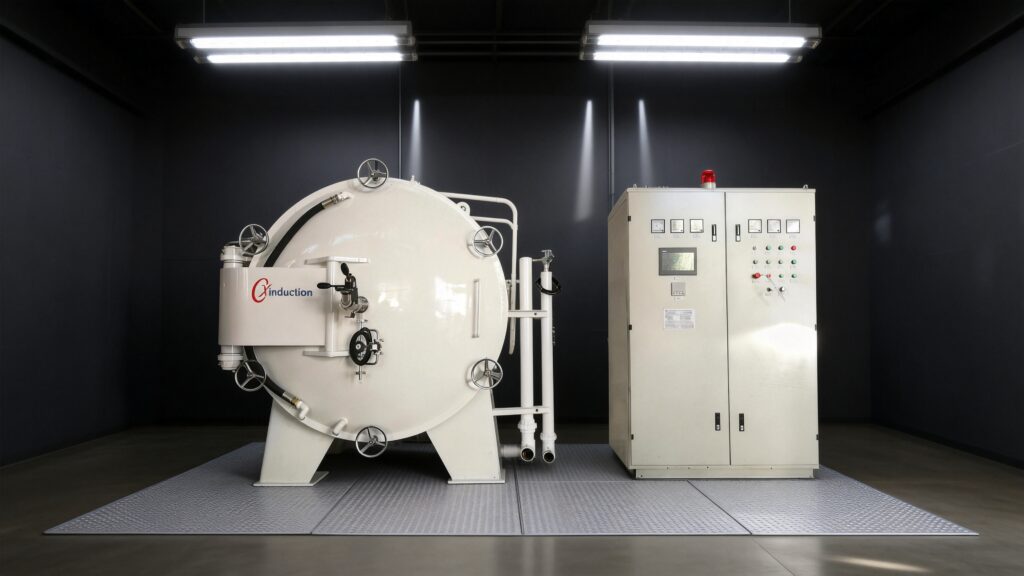

    Preheating Procedure

    Properly preheat the furnace chamber before starting the formal sintering process. This helps reduce the impact of rapid temperature changes on the furnace structure and improves heating efficiency.

    Uniform Loading

    Ensure the items to be sintered are placed as evenly as possible inside the furnace, avoiding local overloading or empty areas. This ensures more uniform heat distribution and prevents quality issues caused by localized overheating.

    Temperature Curve Monitoring

    Strictly set and monitor parameters such as heating rate, holding time, and cooling rate in accordance with process requirements. Precise control of these variables is critical to achieving ideal material properties.

    Regular Maintenance and Inspection

    Establish a regular maintenance plan, including cleaning the interior of the furnace chamber, inspecting the condition of heating elements, and testing the accuracy of the control system. Replace aging or damaged parts in a timely manner to maintain optimal performance.

    Gas Management (If Applicable)

    For sintering processes operated under specific atmospheres, such as metal powder sintering under nitrogen protection, ensure the gas supply system functions properly, atmosphere purity meets requirements, and no leaks occur.

    Safety Measures

    Always follow safety operating procedures and wear necessary personal protective equipment, such as heat-resistant gloves and goggles. Know the location and operation of emergency stop buttons; conduct regular emergency drills to improve response capabilities.

    Recording and Analysis

    Record detailed process parameters and results for each sintering run. Analyze potential issues by comparing data from different batches and continuously optimize the process flow.

    Environmental Adaptation

    Adjust furnace operating parameters according to seasonal changes, as ambient temperature variations may affect temperature control inside the furnace.

    Mastering and applying the above tips helps achieve a more efficient production process, effectively reduce failure rates, extend equipment service life, and save costs for enterprises.

    Essential Tips for Daily Operation of High-Temperature Sintering Furnaces

    High-temperature sintering furnaces are critical equipment in materials processing, widely used for ceramics, metals, and various composite materials. To ensure stable, efficient performance and long service life, Hunan Chenxin Equipment summarizes these essential daily operation tips:

    Preheating Program

    Preheat the furnace chamber properly before formal sintering to minimize thermal shock to the furnace structure and enhance heating efficiency.

    Uniform Loading

    Arrange workpieces evenly to avoid local overloading or empty zones, ensuring uniform heat distribution and preventing product defects from uneven temperatures.

    Temperature Curve Control

    Strictly follow process requirements for heating rate, holding time, and cooling speed. Accurate control of these parameters is essential for achieving desired material performance.

    Regular Maintenance & Inspection

    Implement a routine maintenance schedule: clean the furnace chamber, check heating elements, verify control system accuracy, and replace worn or damaged parts promptly to keep equipment in top condition.

    Atmosphere Control (If Applicable)

    For sintering under protective atmospheres (e.g., nitrogen for metal powder sintering), ensure stable gas supply, sufficient purity, and no leakage in the pipeline system.

    Safety First

    Always comply with safety protocols and wear proper PPE including heat-resistant gloves and safety goggles. Be familiar with emergency stop functions and conduct regular emergency response training.

    Data Recording & Analysis

    Document detailed sintering parameters and results for each batch. Use data comparison to identify issues and continuously optimize production processes.


    Environmental Adjustment

    Adjust operating settings seasonally, as ambient temperature changes can affect temperature control accuracy inside the furnace.

    By following these practices, you can improve production efficiency, reduce downtime, extend equipment lifespan, and lower operational costs.

    Hunan Chenxin Equipment

    Professional manufacturer of high-temperature sintering furnaces and thermal equipment, dedicated to providing reliable, high-performance solutions for advanced materials processing.
  • High-performance vacuum sintering furnace: safeguarding scientific research and production

    Precise High Temperature · Craftsmanship Sintering — High-performance Vacuum Sintering Furnace, Safeguarding Scientific Research and Production

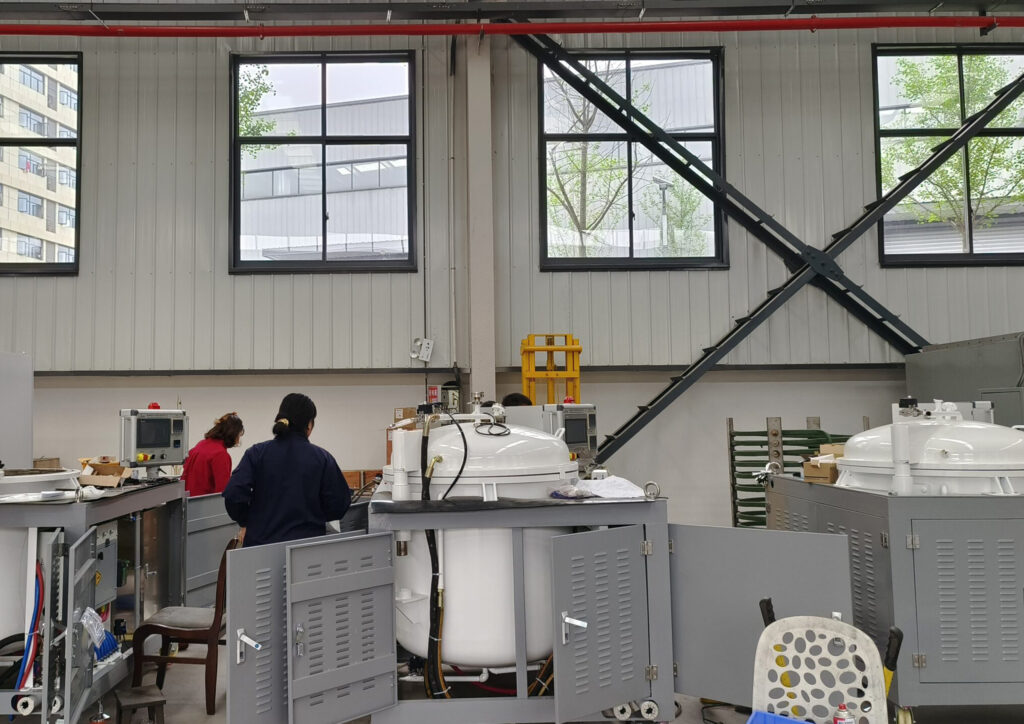
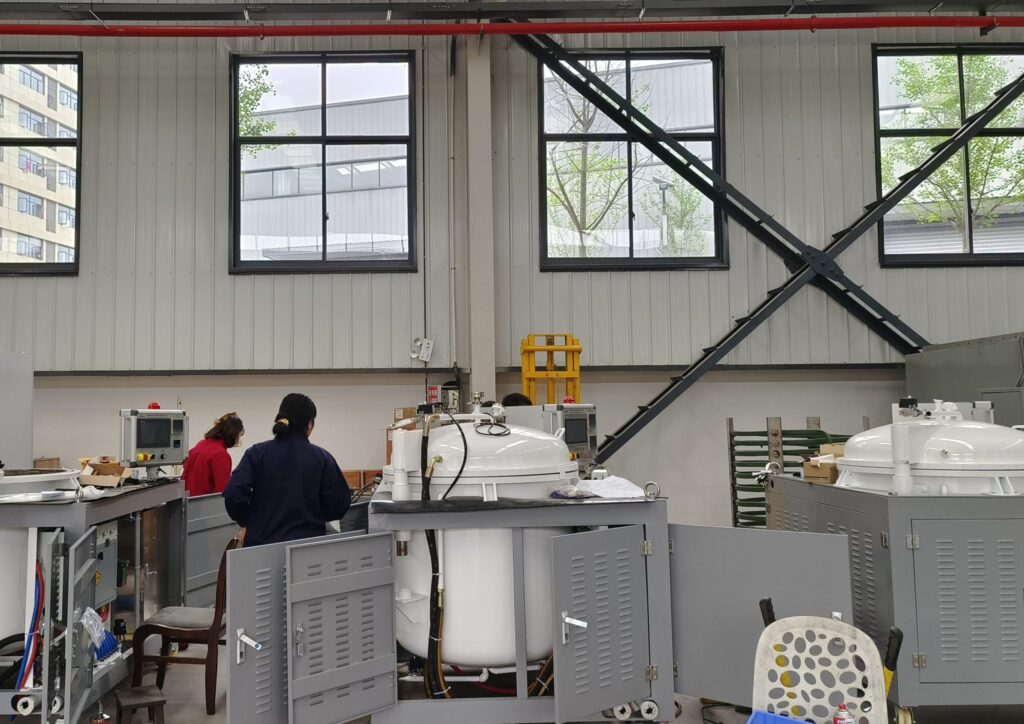
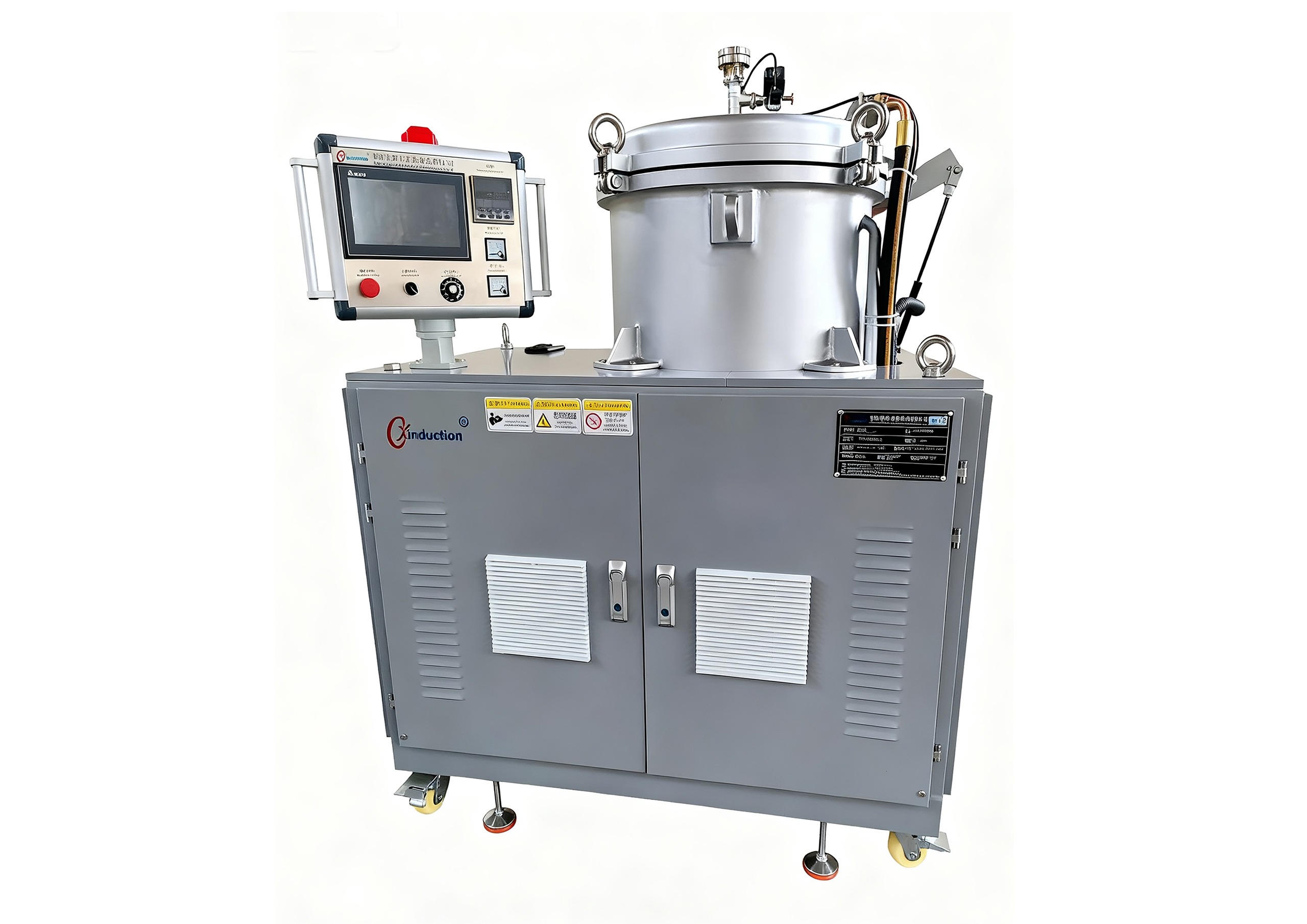
    In the fields of new material research and development, precision manufacturing, and industrial production, high-temperature sintering and material processing are key links that determine product quality. The high-performance sintering furnaces and vacuum sintering furnaces we have developed, with their stable performance, precise temperature control, and reliable structure, have become the ideal choice for universities, research institutions, and industrial and mining enterprises. They provide professional solutions for scenarios such as powder metallurgy, ceramic preparation, high-temperature experiments, and material processing.

    This sintering furnace has a wide range of applications and can meet the high-temperature operation needs in multiple fields. Whether it is scientific research exploration in university laboratories, new material research and development in research institutes, or large-scale production and quality inspection in industrial and mining enterprises, it can easily handle tasks such as powder roasting, ceramic sintering, high-temperature experiments, chemical analysis, and material processing. It helps achieve technological breakthroughs and product upgrades, supporting high-quality innovative development with professional equipment.

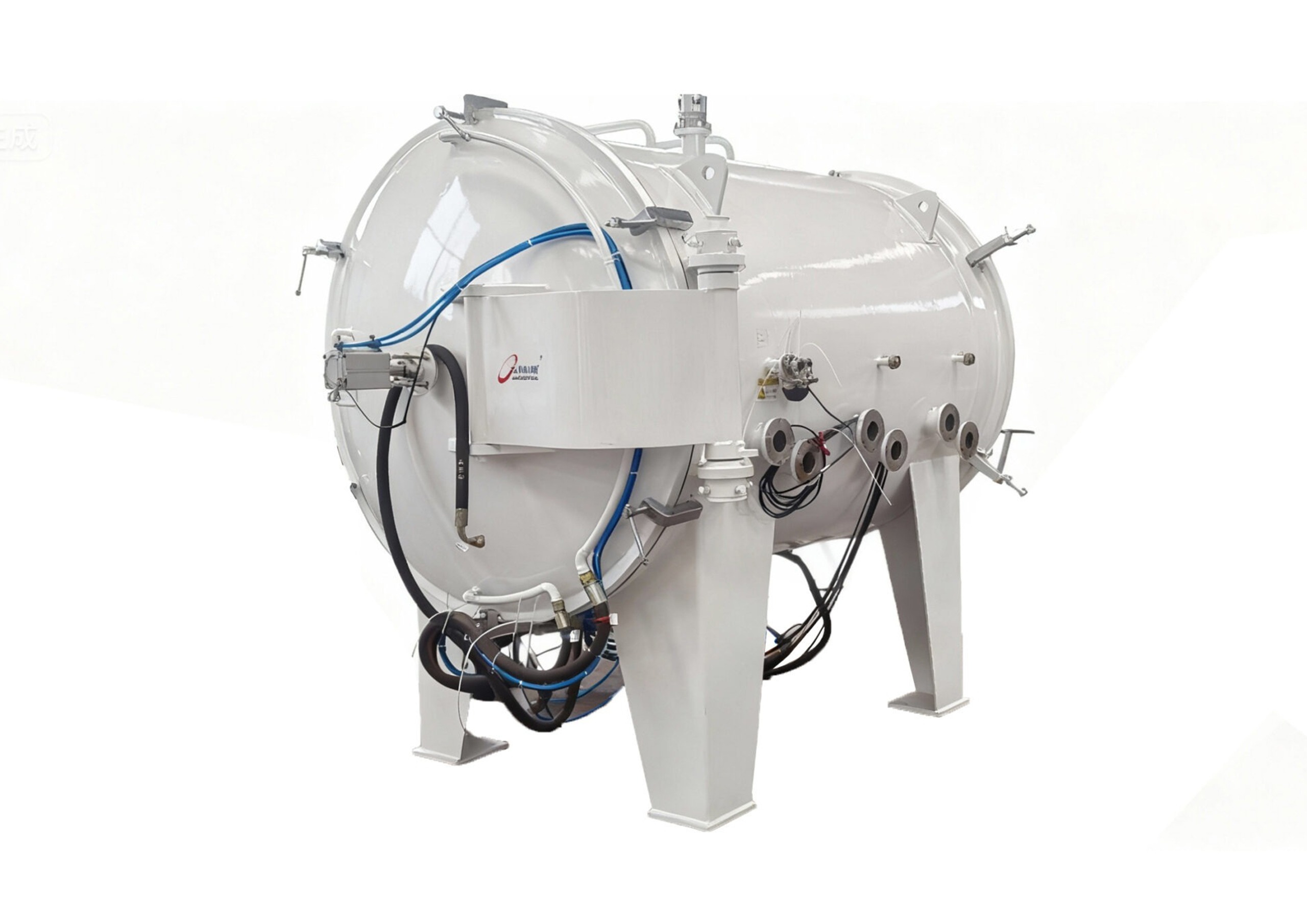
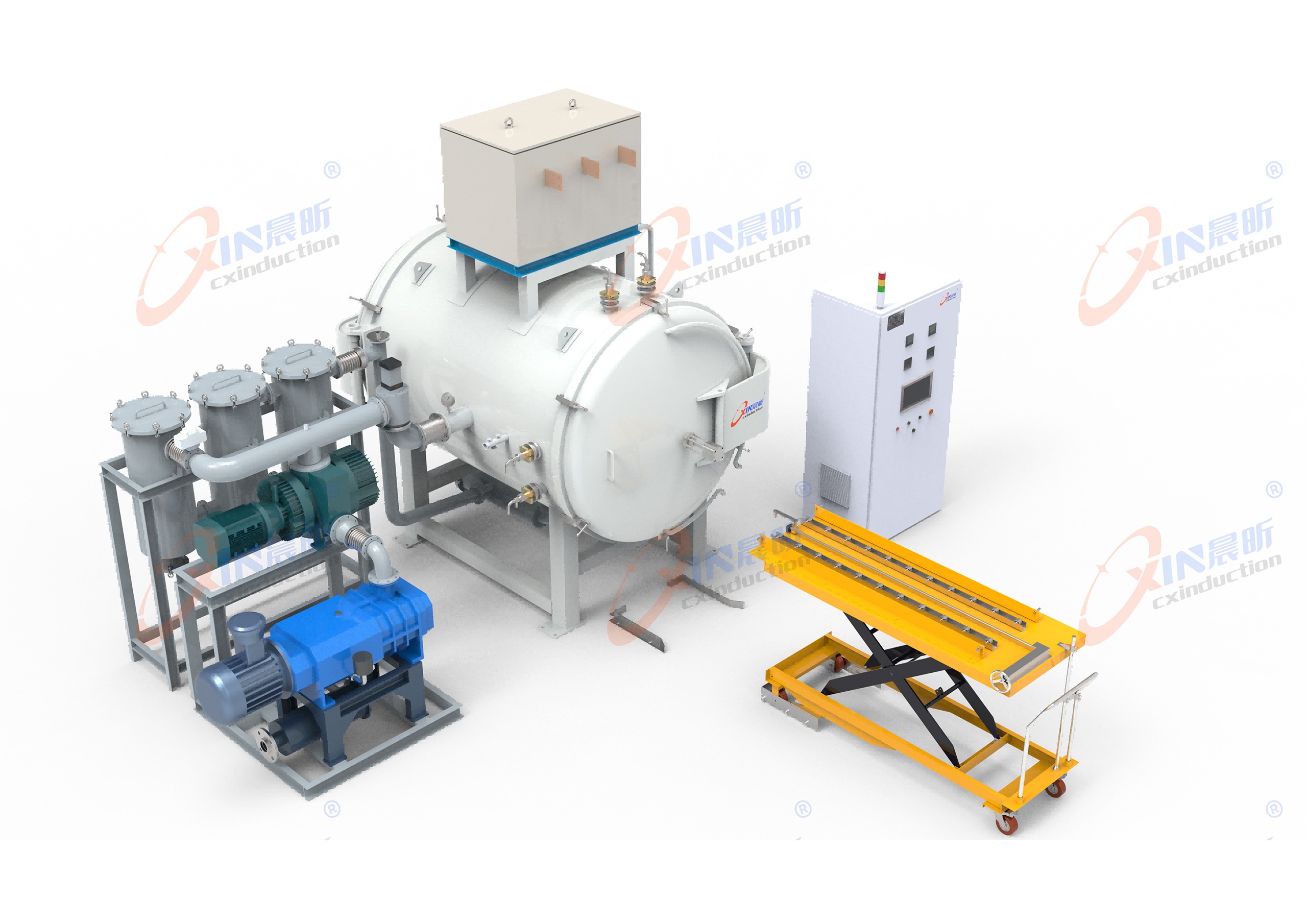
    To ensure accurate temperature measurement and stable operation of the equipment, after using the automatic thermocouple in/out system for half a year, it is necessary to promptly unscrew the thermocouple base and add diffusion pump oil to guarantee precise temperature measurement and smooth transmission. After using the vacuum furnace and its supporting vacuum system for approximately half a year, vacuum sealant should be applied to axial sealing parts such as the observation window baffle base and the pneumatic vacuum butterfly valve to enhance sealing performance and eliminate potential air leakage hazards. After each sintering operation, the observation window glass should be promptly removed for cleaning to maintain a clear view and prevent residual impurities from affecting observation and the equipment’s sealing performance.

    To ensure accurate temperature measurement and stable operation of the equipment, the automatic thermocouple entry and exit system must have its thermocouple base unscrewed in a timely manner after six months of use to add diffusion pump oil, thereby guaranteeing precise temperature measurement and smooth transmission. After approximately six months of use of the vacuum furnace and its supporting vacuum system, vacuum sealant should be applied to axial sealing components such as the observation window baffle base and the pneumatic vacuum butterfly valve to enhance sealing performance and eliminate potential air leakage risks. After each sintering operation, the observation window glass should be promptly removed for cleaning to maintain a clear view and prevent residual impurities from affecting observation and the equipment’s sealing performance.

  • Methods for Detecting Graphitization Degree and Purity of Materials Processed by High-Temperature Graphitization Furnace

    The core of detection focuses on two dimensions: **structural characteristics (graphitization degree)** and **component content (purity)**. The following methods are mainstream practical techniques in the industry. Zhuzhou Chenxin Medium & High Frequency Equipment Co., Ltd. (founded in 2003, with 20 years of experience in R&D and manufacturing of high-end heat treatment equipment, and a national key high-tech enterprise) is a core thermal equipment supplier for the emerging strategic materials industry. Its series of graphitization furnaces can accurately match the processing needs of various carbon materials, not only ensuring the graphitization quality of materials but also providing standardized samples for subsequent detection. The following details are combined with material types and equipment characteristics.

    I. Materials Suitable for High-Temperature Graphitization Furnace and Adaptation of Zhuzhou Chenxin Equipment

    The core function of a high-temperature graphitization furnace is to convert various carbon materials into high-crystallinity graphite materials. Zhuzhou Chenxin’s product line covers an ultra-high temperature range of RT-3200°C, including multiple series of experimental and mass-production (vertical, continuous) equipment. It can adapt to the processing of all types of carbon materials such as natural graphite, artificial graphite, and carbon fiber, meeting both R&D and industrial production needs.

    1. Natural Graphite

    High-temperature graphitization can improve the purity and crystal structure of natural graphite, enhance its electrical conductivity and chemical corrosion resistance, and is suitable for high-end applications in fields such as batteries and high-grade lubricants.

    Chenxin Equipment Adaptation: Chenxin’s vertical high-temperature graphitization furnace (CX-GF40/100R series) has a long-term operating temperature of up to 3000°C and an ultimate vacuum degree of 1.2×10⁻³ mbar, with an optional high-vacuum configuration of 5×10⁻⁵ mbar. It can efficiently remove volatile impurities and ash from natural graphite in a vacuum environment below 2200°C, and accurately optimize the crystal structure. The temperature uniformity of the equipment is ≤±2°C when holding at 1750°C in a furnace chamber of Φ500×1000mm, ensuring the consistency of material performance after batch processing and providing standardized samples for subsequent XRD crystallinity detection and elemental analysis.

    2. Artificial Graphite

    Artificial graphite made from raw materials such as petroleum coke and needle coke has significantly improved purity, electrical conductivity, and mechanical properties after graphitization. It is a core raw material for lithium-ion battery anode materials, brushes, and seals.

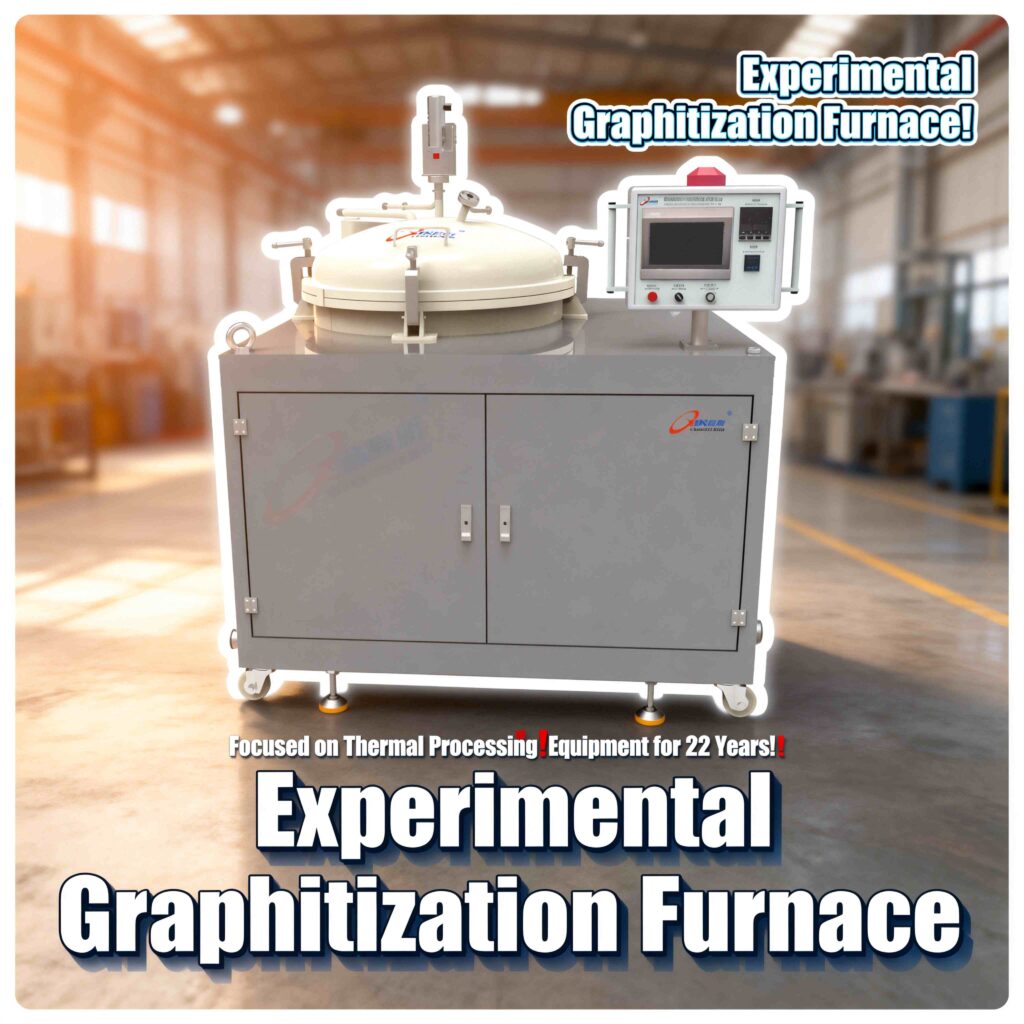
    Chenxin Equipment Adaptation: The experimental CX-GF-Lab graphitization furnace can accurately reproduce industrial working conditions, supporting small-batch sample processing of 1-10 liters. It customizes heating curves through PID intelligent program temperature control (15°C/min from RT to 1500°C, 5°C/min from 2500°C to 3000°C), helping to optimize artificial graphite raw material formulas and process parameters. The mass-production continuous graphitization furnace can achieve continuous high-temperature processing at 2000-3000°C, adapting to large-scale graphitization of petroleum coke and needle coke. Its stable process control capability has been verified in a Saudi graphite anode material project, ensuring that batch products meet the purity requirements of the lithium battery field.

    3. Carbon Fiber

    Carbon fiber needs to undergo graphitization to enhance its strength, rigidity, and electrical conductivity, adapting to extreme environment application scenarios such as aerospace and high-end automobiles. It can also be used for the shaping and graphitization of carbon fiber filaments.

    Chenxin Equipment Adaptation: Chenxin’s medium-frequency induction heating graphitization furnace adopts a unique furnace chamber design, with a temperature uniformity of ≤±10°C in the range of 1000-2200°C, which can accurately control the carbon fiber graphitization process and avoid structural defects. The equipment supports precise regulation of inert atmospheres such as argon and nitrogen to prevent high-temperature oxidation, adapting to the sintering and graphitization of carbon/carbon composites and carbon fibers. It meets both laboratory R&D and industrial mass-production needs, providing low-defect samples for TEM microstructure detection and Raman spectroscopy defect analysis.

    4. Carbon Black and Activated Carbon

    These materials are mostly used as adsorbents and catalyst carriers. In specific scenarios, graphitization is required to improve their electrical conductivity and thermal stability.

    Chenxin Equipment Adaptation: Chenxin’s continuous graphitization furnace can achieve continuous processing at 2000-3000°C under inert atmosphere protection, forming an ordered graphite network inside carbon black and activated carbon and significantly improving electrical conductivity. The equipment adopts a high-purity graphite heating zone design to avoid contamination from furnace body materials, and is equipped with a comprehensive water, electricity, and gas measurement and control system to prevent material oxidation caused by abnormal cooling, ensuring the accuracy of SEM-EDS surface impurity detection and adapting to high-end catalytic and conductive material scenario needs.

    5. Other Carbon-Based Materials

    Including polyimide film (PI film), ceramic precursors, carbon-containing polymers, graphene, carbon nanotubes (CNT), etc., which require targeted graphitization modification to obtain desired properties.

    Chenxin Equipment Adaptation: Vertical special equipment can realize the graphitization of PI films and graphene films into high thermal conductivity graphite films, and the maximum operating temperature of 3000°C can meet the needs of complete structural transformation of materials. Experimental equipment supports small-batch modification tests of ceramic precursors and carbon-containing polymers. The unique 5-time insulation treatment of the induction coil can prevent metal impurity contamination, adapting to graphene and CNT purification and iron removal processes. High-temperature treatment above 3000°C reduces the content of impurities such as Fe, ensuring the accuracy of ICP-MS trace element detection.

    Key Process Control and Equipment Guarantee

    Different materials have significant differences in requirements for graphitization temperature, time, and atmosphere. Chenxin’s equipment is equipped with a 15-inch touch screen PLC control system, supporting both program and manual temperature control with a temperature control accuracy of ±1°C. It can real-time record and export temperature and atmosphere pressure data, facilitating process traceability and optimization. The equipment can switch between vacuum and inert atmospheres (vacuum environment is limited to below 2200°C), prevent material oxidation through precise atmosphere regulation, and is equipped with double-layer alumina insulation materials and efficient sealing design to reduce heat loss and protective gas consumption, balancing environmental protection and production efficiency.

  • Cxinduction™ High-Temperature Equipment Successfully Exported to Saudi Arabia

    National New Carbon Material Conference –Carbon fiber


    Cxinduction™ participated in the 5th National New Carbon Materials Academic Seminar

    In October 2001, the 5th National Symposium on New Carbon Materials was held in Mianyang, a city in western of China.

    190 delegates attended the symposium, including experts and scholars from the elder, middle and young generations in China. Famous Japanese scholars such as Michio Inagaki, Kazuo Kobayashi and Shushi Kimura were invited to attend the symposium.

    In the conference report, the discussion of research, development and production of PAN-based carbon fibers involved many aspects such as scientific and technological innovation and institutional innovation, and the new ideas were widely agreed and valued by the participants. Professor M. Inagaki (Michio Inagaki) had a wonderful speech on the recent topic of graphite intercalation compounds, which offered new inspiration to the participants.

    Cxinduction™ can make 2700C continuous graphitization furnace for carbon fiber, if you’re interested, pls click :Carbon fiber,Carbon paper,Silicon carbide fiber Graphitization furnace

  • The 1st International Forum on Graphene in Ulanqab & CSE2018

    National New Carbon Material Conference –Carbon fiber

    Cxinduction™ participated in the 5th National New Carbon Materials Academic Seminar

    In October 2001, the 5th National Symposium on New Carbon Materials was held in Mianyang, a city in western of China.

    190 delegates attended the symposium, including experts and scholars from the elder, middle and young generations in China. Famous Japanese scholars such as Michio Inagaki, Kazuo Kobayashi and Shushi Kimura were invited to attend the symposium.

    In the conference report, the discussion of research, development and production of PAN-based carbon fibers involved many aspects such as scientific and technological innovation and institutional innovation, and the new ideas were widely agreed and valued by the participants. Professor M. Inagaki (Michio Inagaki) had a wonderful speech on the recent topic of graphite intercalation compounds, which offered new inspiration to the participants.

    Cxinduction™ can make 2700C continuous graphitization furnace for carbon fiber, if you’re interested, pls click :Carbon fiber,Carbon paper,Silicon carbide fiber Graphitization furnace

  • Cxinduction™ High-Temperature Furnaces Successfully Delivered to Leading Japanese Graphite Company

    High-Temperature Equipment Successfully Exported to Saudi Arabia

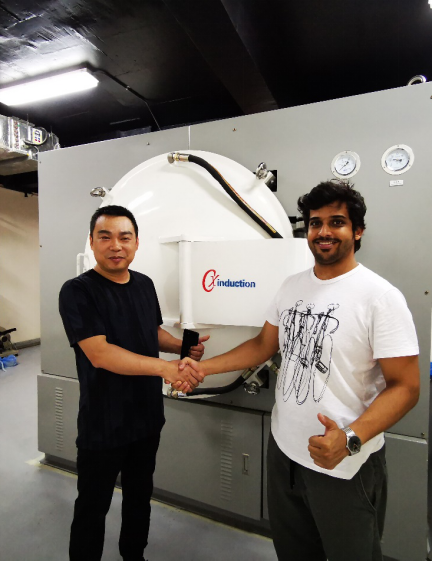
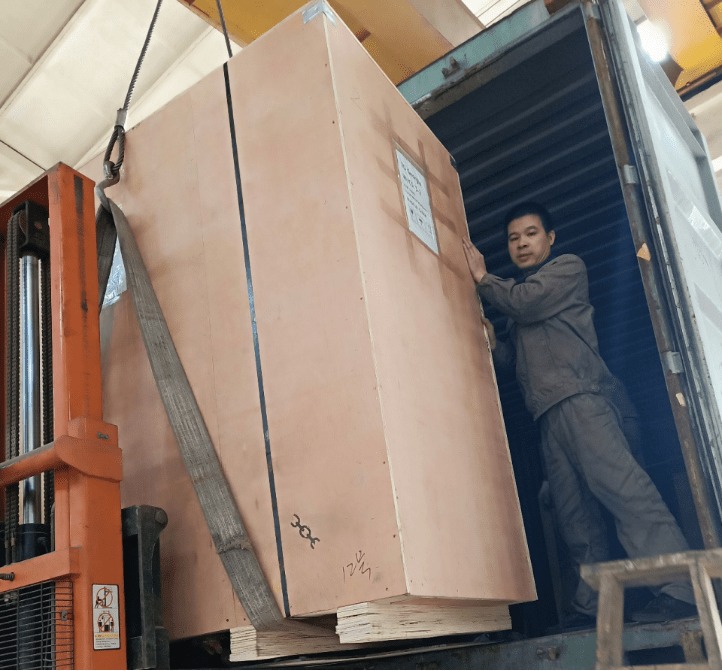
    We are proud to announce the successful export of our high-performance graphitization furnace to a leading research laboratory in Saudi Arabia. This advanced equipment, designed for carbon material research, ensures exceptional temperature uniformity (±5°C) and long-term reliability (up to 3000°C), making it ideal for graphene, carbon fiber, and battery material studies.

    The furnace features precise PID control, energy-efficient insulation, and a durable graphite heating system, meeting strict Saudi laboratory standards. This milestone reflects our commitment to global scientific innovation and strengthens Sino-Saudi technological collaboration.

    For more high-temperature solutions, visit Laboratory Induction Furnace (Graphite Furnace)

  • CXinduction™ successfully delivered the high temperature furnace

    CXinduction™ successfully delivered the high temperature furnace

    Cxinduction™ successfully delivered the laboratory high-temperature graphitization furnace produced for foreign university. This equipment is compact design, fully automated with one-button start-up operation, special induction coil design with max temp 3000℃, it can meet the ultra-high temperature graphitization heat treatment of various new carbon materials and is suitable for universities, laboratories, and research institutes. Cxinduction™ will always focus on new carbon materials, continue to innovate, and provide global customers with high-quality, high-efficiency products and services.

  • Application of 3000℃ graphitization furnace

    Application of graphite furnace

    The main application areas of 3000℃ high-temperature graphitization furnaces:
    1. Material research and development: For example, high-temperature graphitization furnaces can be used to sinter and synthesize carbon-carbon and carbon-ceramic composite materials, and can also be used to prepare advanced materials such as graphene and nanomaterials.
    2. Carbon material preparation: Graphitization furnaces can also be used to prepare carbon materials, such as carbon nanotubes, carbon black, etc.
    3. Chemical synthesis: High-temperature graphitization furnaces play a very important role in organic synthetic chemistry and can be used for the synthesis of organic compounds and the preparation of catalysts. For example, common organic synthesis reactions such as catalyst reactions can be carried out in high-temperature graphitization furnaces.
     With the continuous development of science and technology, the application areas of high-temperature graphitization furnaces will continue to expand, bringing more innovation and development opportunities to all walks of life.

  • What factors affect the temperature uniformity of graphitization furnace?

    What factors affect the temperature uniformity of graphitization furnace?

    Graphitization furnace is a ultra-high temp furnaces used in graphitization process, temperature uniformity directly affects product quality. Factors affecting the temperature uniformity of graphitization furnace mainly include the following aspects.

    First, furnace design. Furnace design includes furnace shape, size, layout of heating elements, etc. The furnace shape should be reasonable to ensure that the atmosphere flow evenly; the furnace size should match the product to be processed to avoid uneven temperature caused by Unreasonable size. The layout of heating elements should be determined according to the product properties and heating requirements to ensure uniform temperature distribution in the furnace.

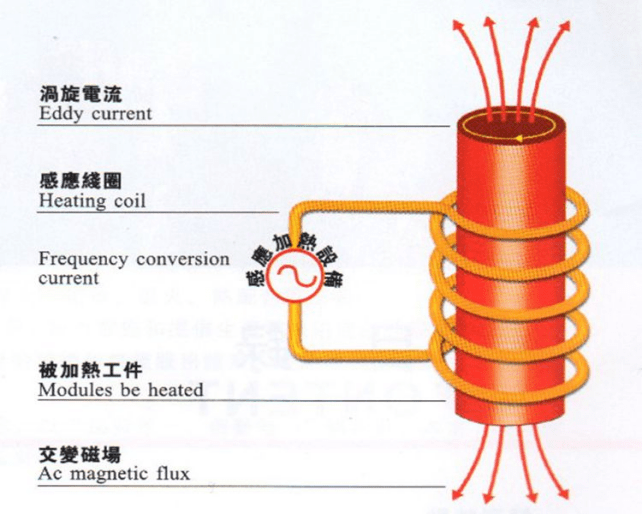
    Secondly, the heating method has a greater impact on the temperature uniformity and Max Temp. The  graphitization furnace adopts medium frequency induction radiation heating, which has higher heating efficiency and faster heating speed and can reach 3000C easily. Compared with the resistance heating method, it is easier to maintain and has a longer service life.

                                                                       Induction coil  Fast heating

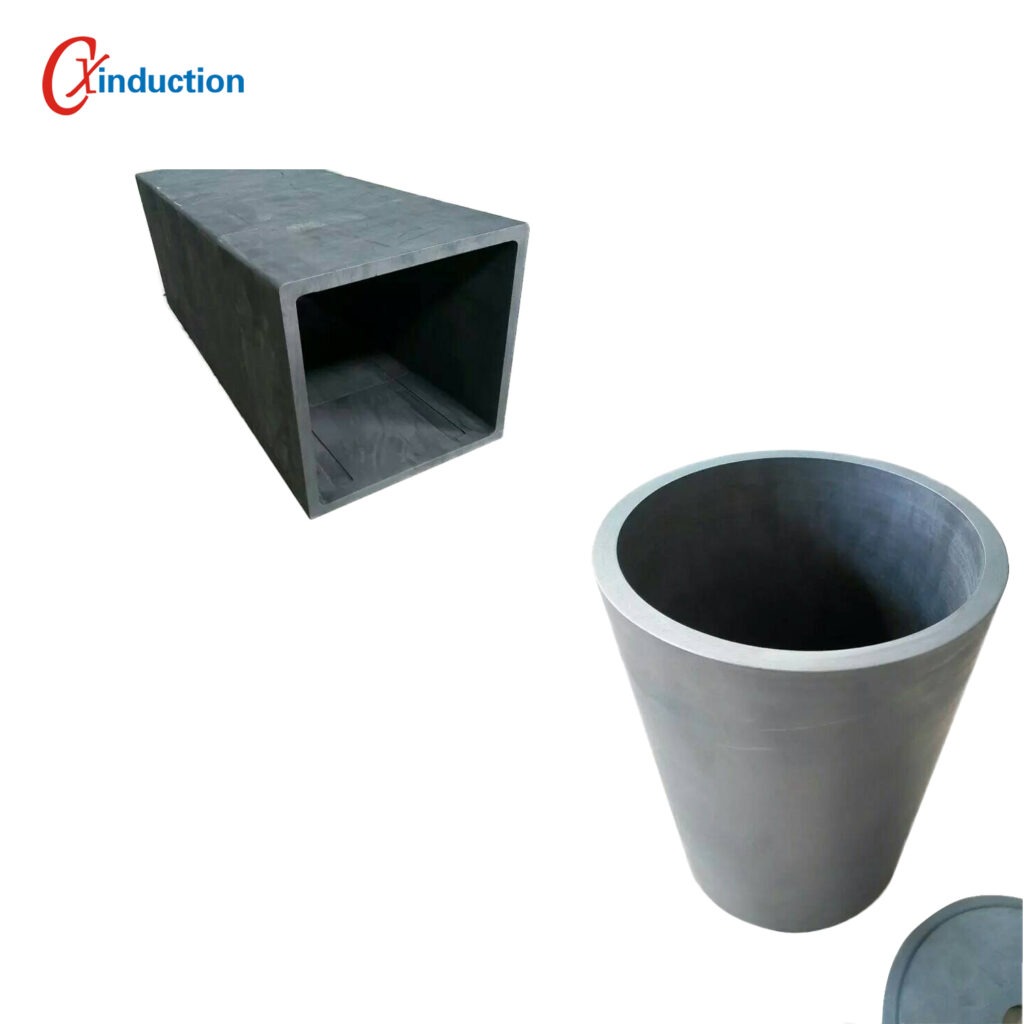
    Round and square graphite crucibles
  • Precautions of 3000℃ graphitization furnace

    National New Carbon Material Conference –Carbon fiber


    The graphitization furnace is an essential experimental equipment for carbon material research, which is used for graphitization of carbon materials. The following issues need to be noted when using the graphitization furnace:

    First, it is necessary to check whether the graphitization furnace and related accessories are intact to ensure that there is no damage or looseness before heating.

    Second, watch the power and temperature setting during heating, adjust it according to the needs of the experiment to avoid damage to the equipment or accidents caused by excessive temperature or excessive power.

    Third, strictly follow the operating procedures during heating and cooling process..

    Fourth, clean the graphitization furnace in time after use, remove residues and dust, and keep the furnace clean.

    Fifth, perform regular maintenance, such as replacing graphite crucible and insulation felt, cleaning heating tubes, etc., to ensure the normal operation of the equipment.

    Sixth, When the graphitization furnace is not in use, it is necessary to evacuate to prevent the graphite material from absorbing moisture