
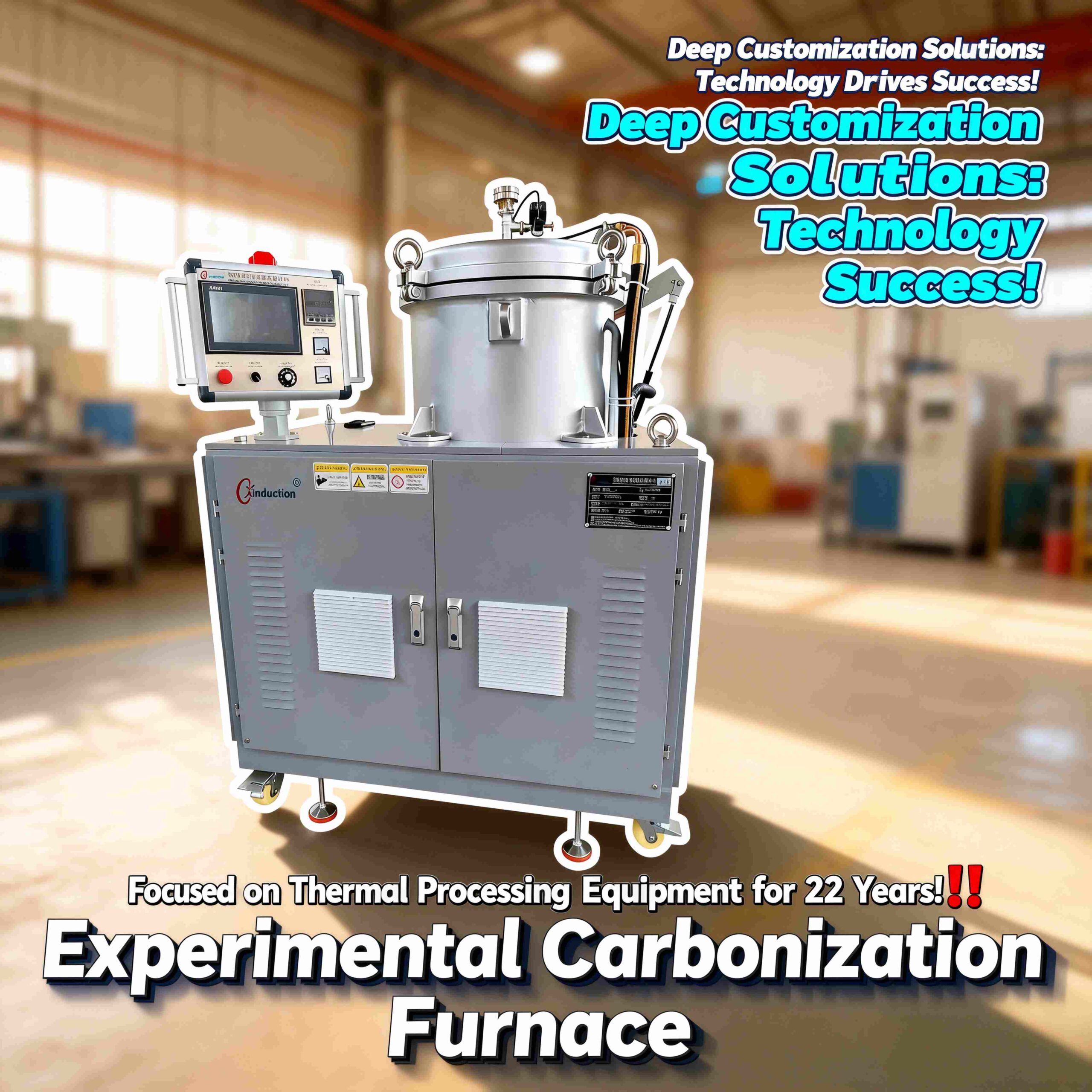
Top-loading graphite resistance furnace. CX-CF20/30VR: Φ200 × 300 mm, 10 L. 2200°C design temperature; 2100°C listed working temperature.
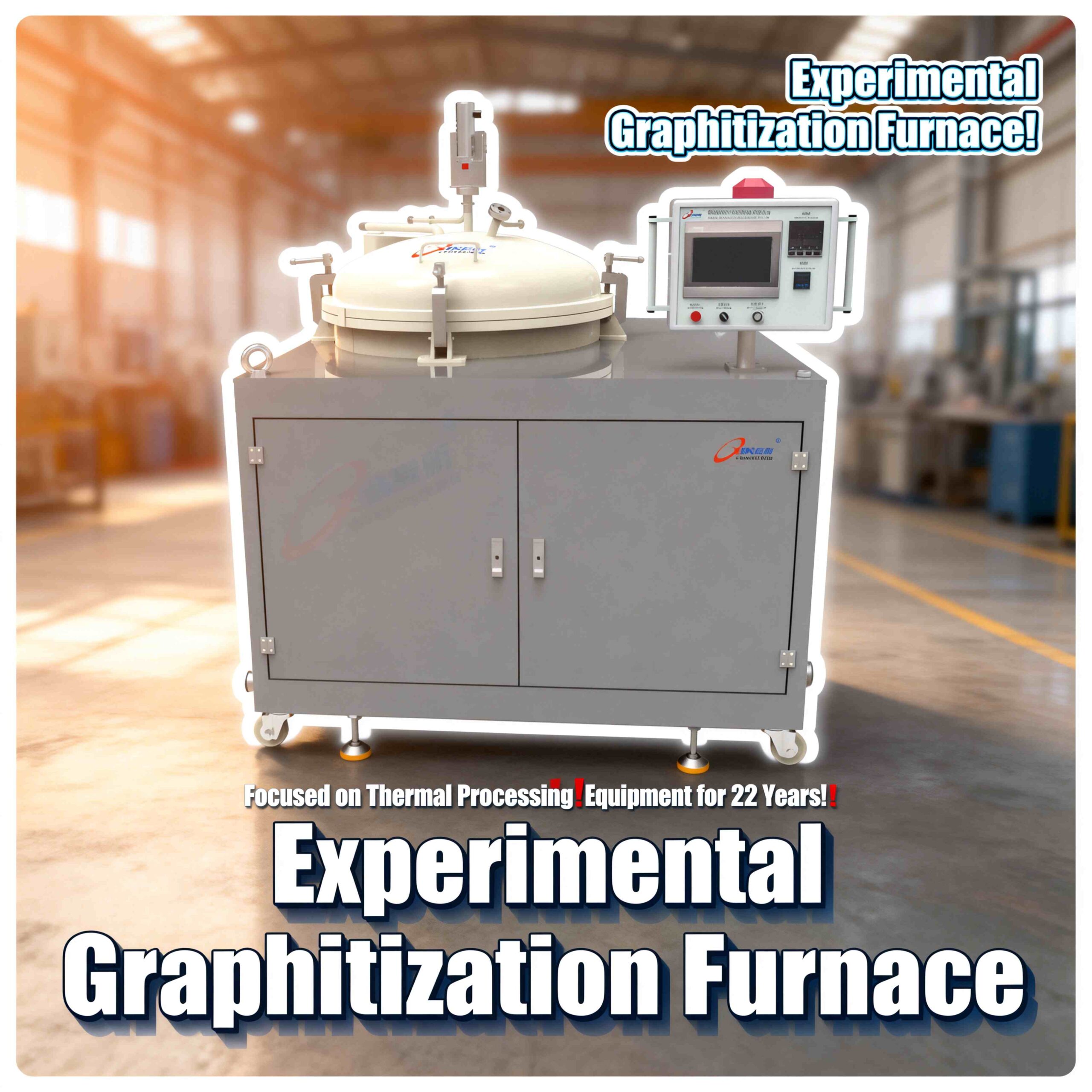
Top-loading induction furnace with Φ200 × 300 mm or Φ300 × 500 mm usable space. 3000°C design temperature; 2850°C listed working temperature.
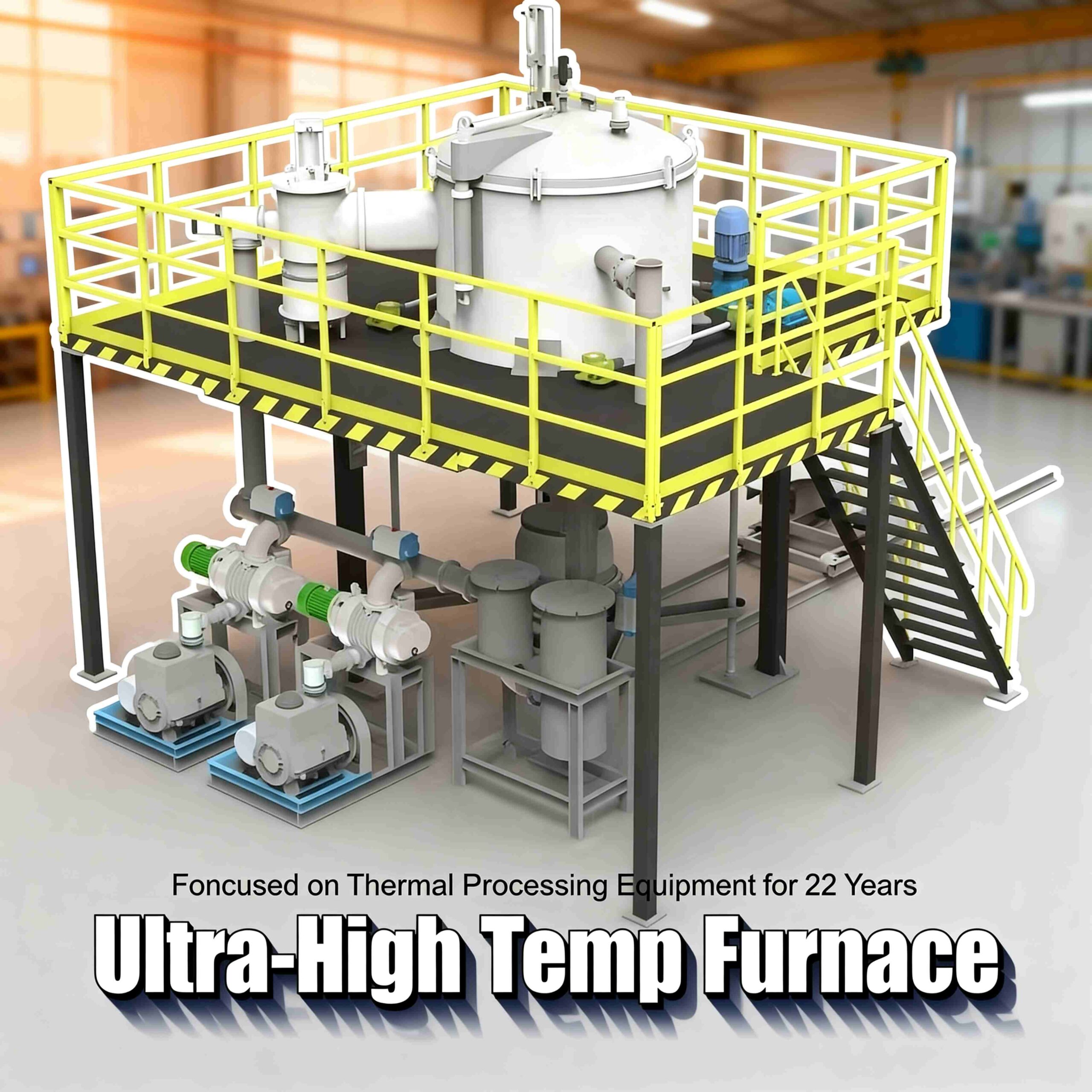
Carbon-Carbon/Carbon-Ceramic CVD Furnace enables precision chemical vapor deposition (CVD) to produce ultra-dense C/C and C/SiC composites...
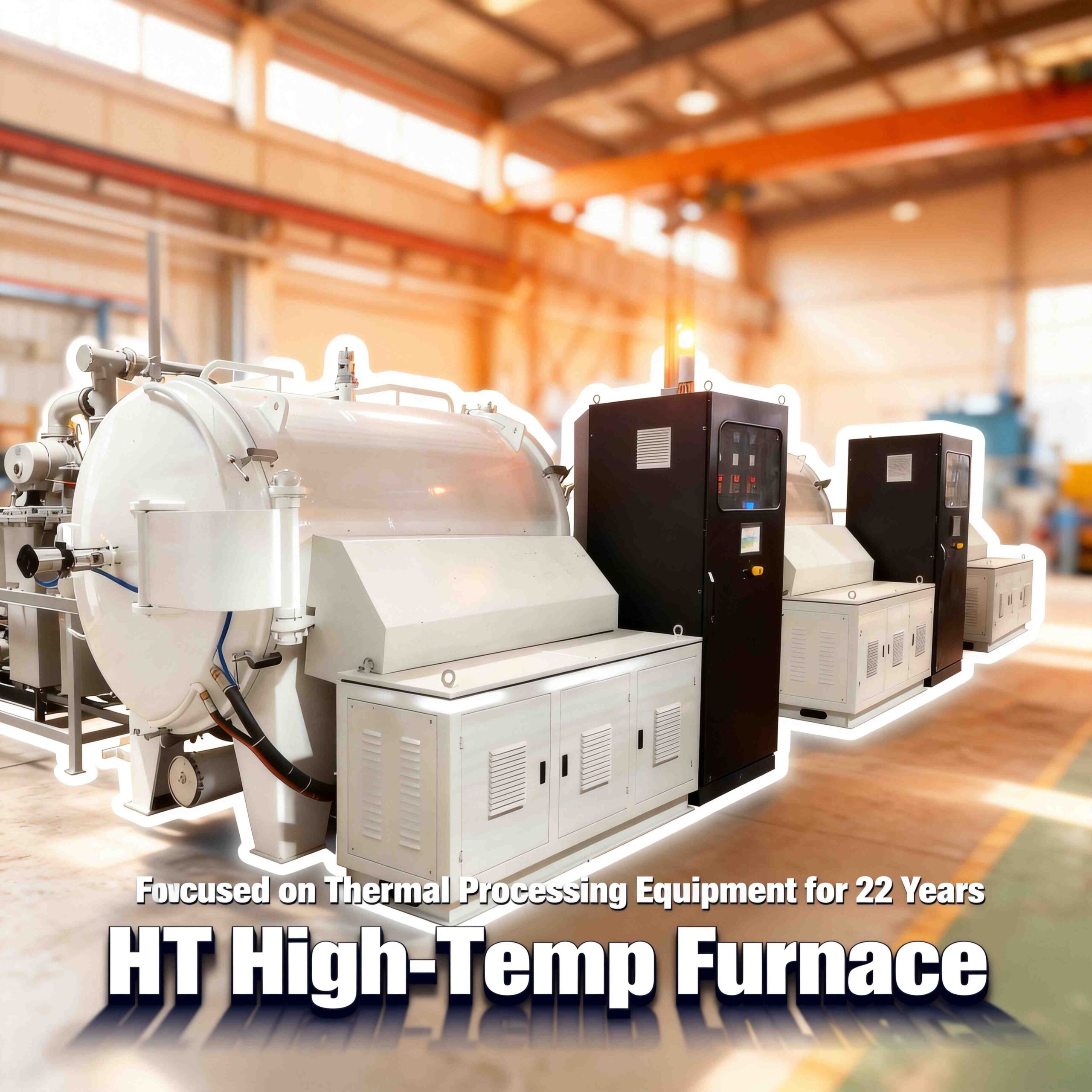
Graphite resistance furnace with five work-zone sizes. Vacuum or argon operation up to 1900°C working temperature; confirm material compatibility for the graphite hot zone.
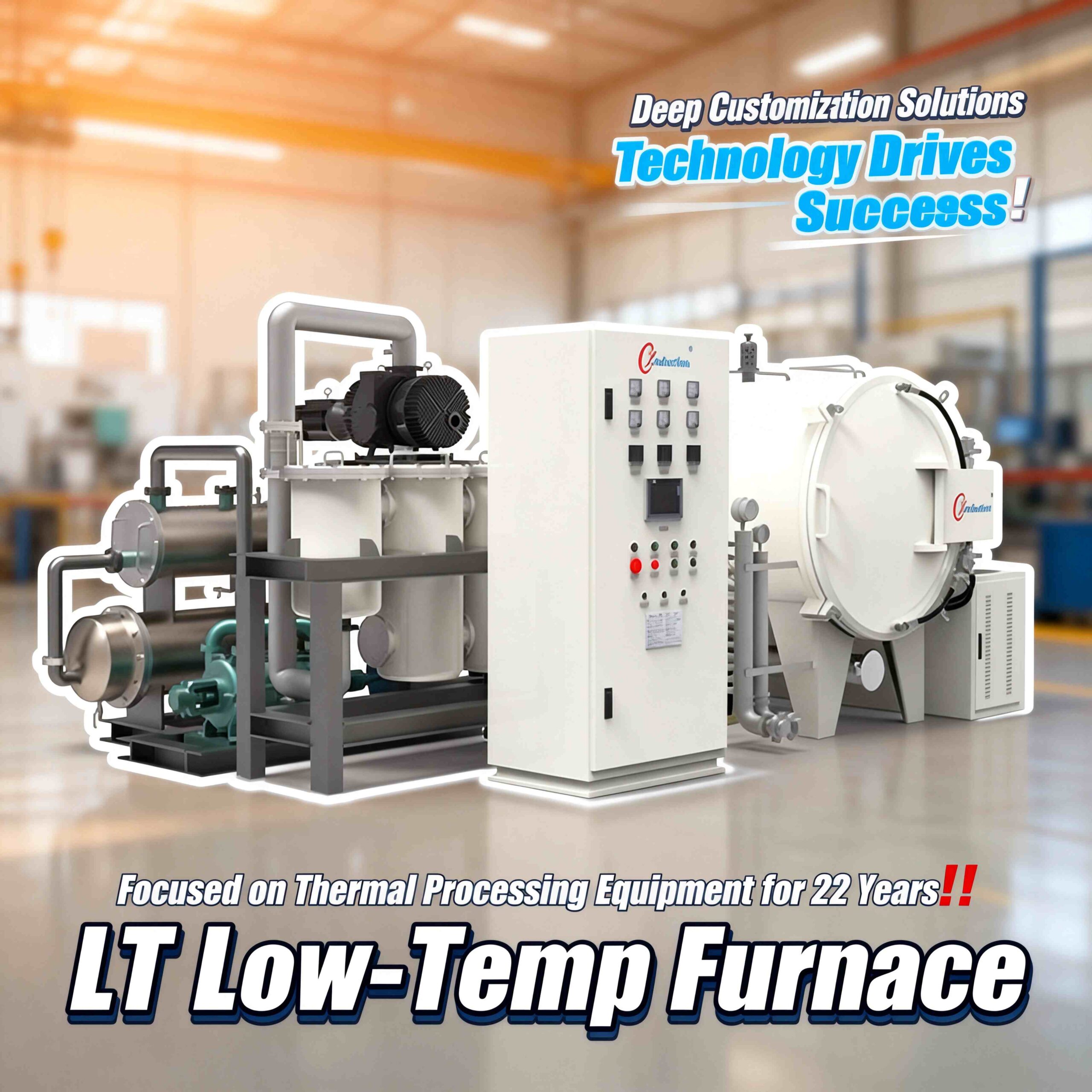
SJ series graphite resistance furnaces for selected metal powders. Five work-zone sizes from 54 L to 735 L; 2000°C working and 2100°C design temperature.
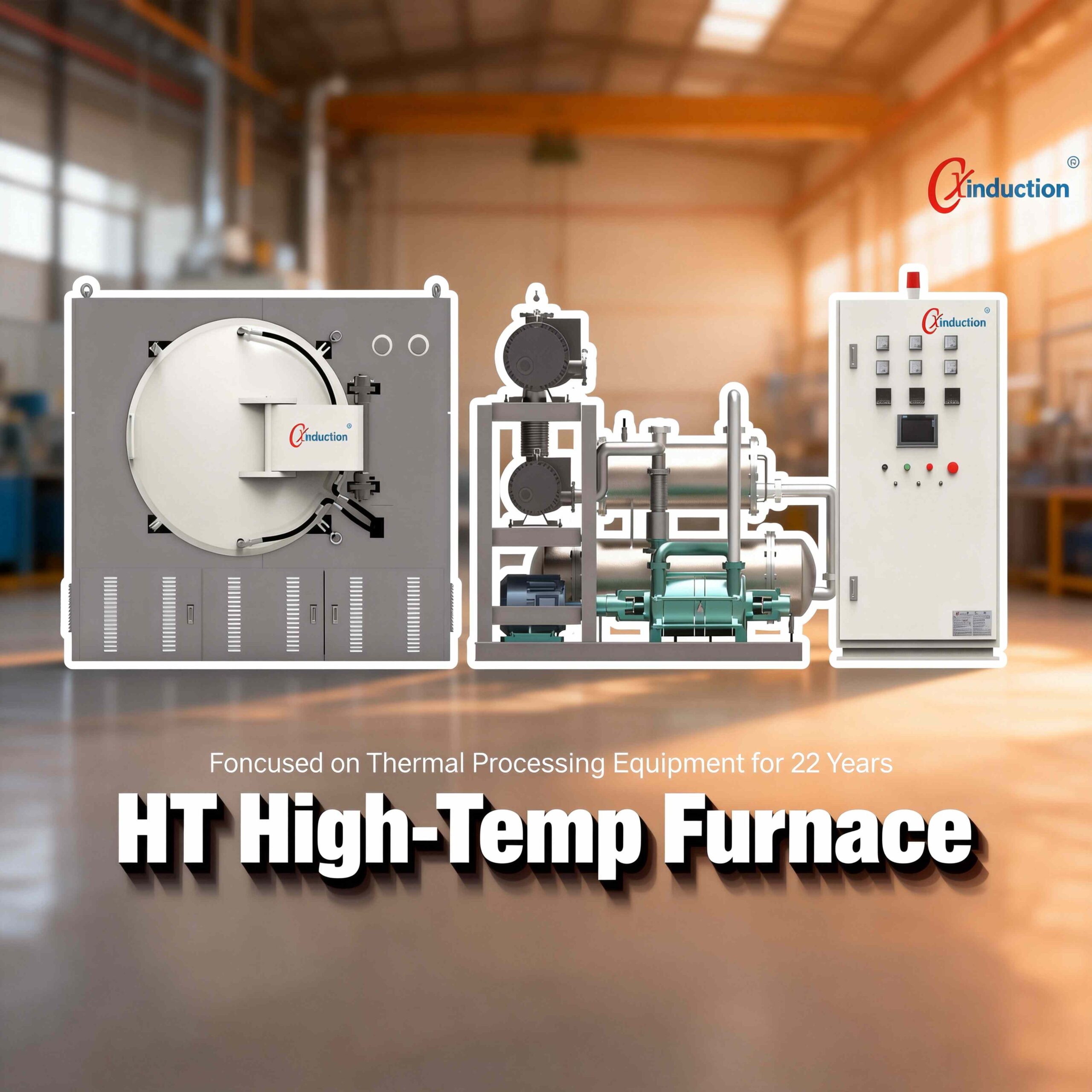
SJ series for compatible carbide and nitride ceramics. Five work-zone sizes; 2300°C working and 2400°C design temperature. Vacuum is stated only below 2200°C.
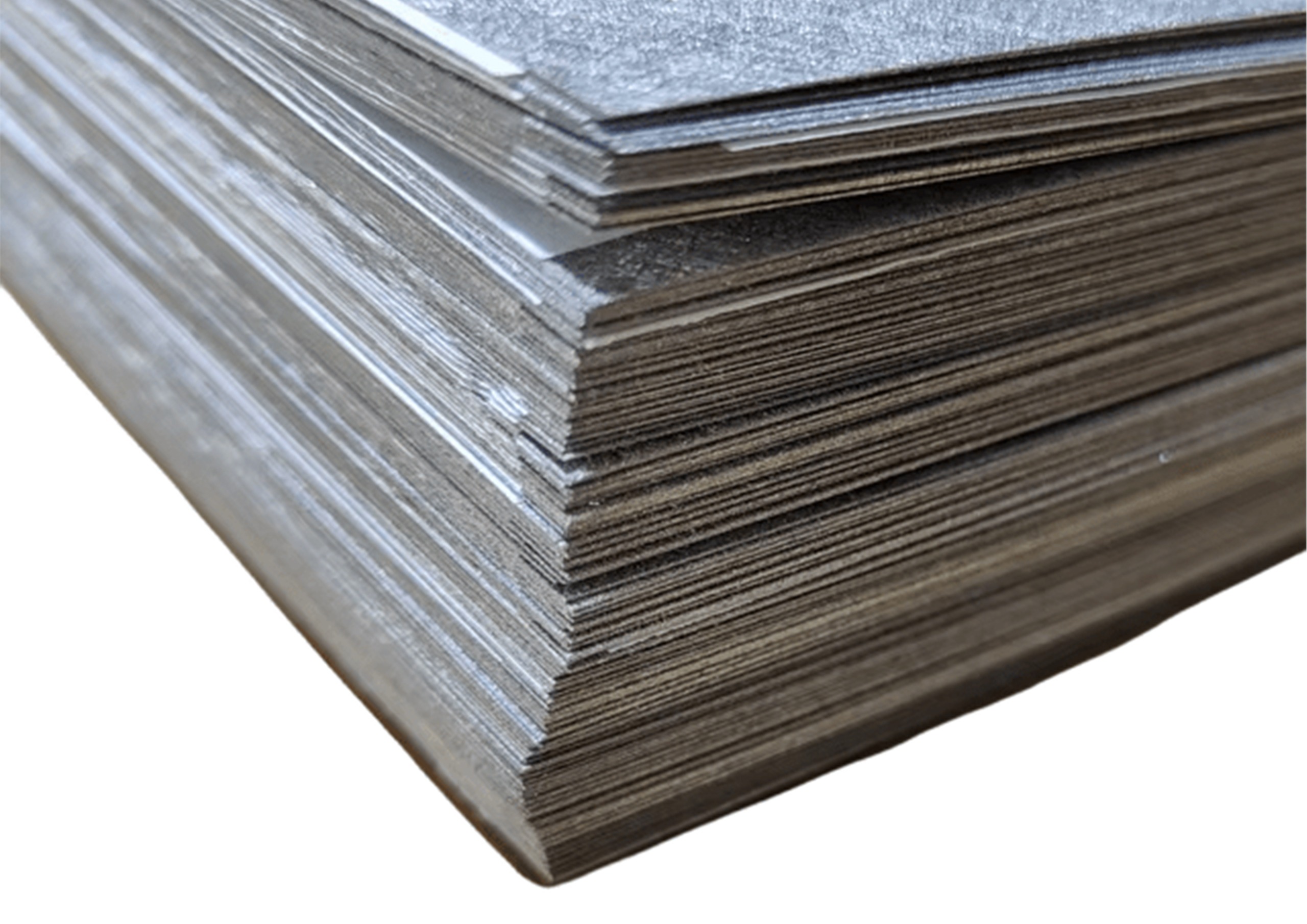
Titanium Fiber Felt is a porous material made by sintering fine titanium fibers into a felt-like, mesh structure. It combines the excellent corrosion resistance and lightweight properties of titanium with high porosity and surface area.
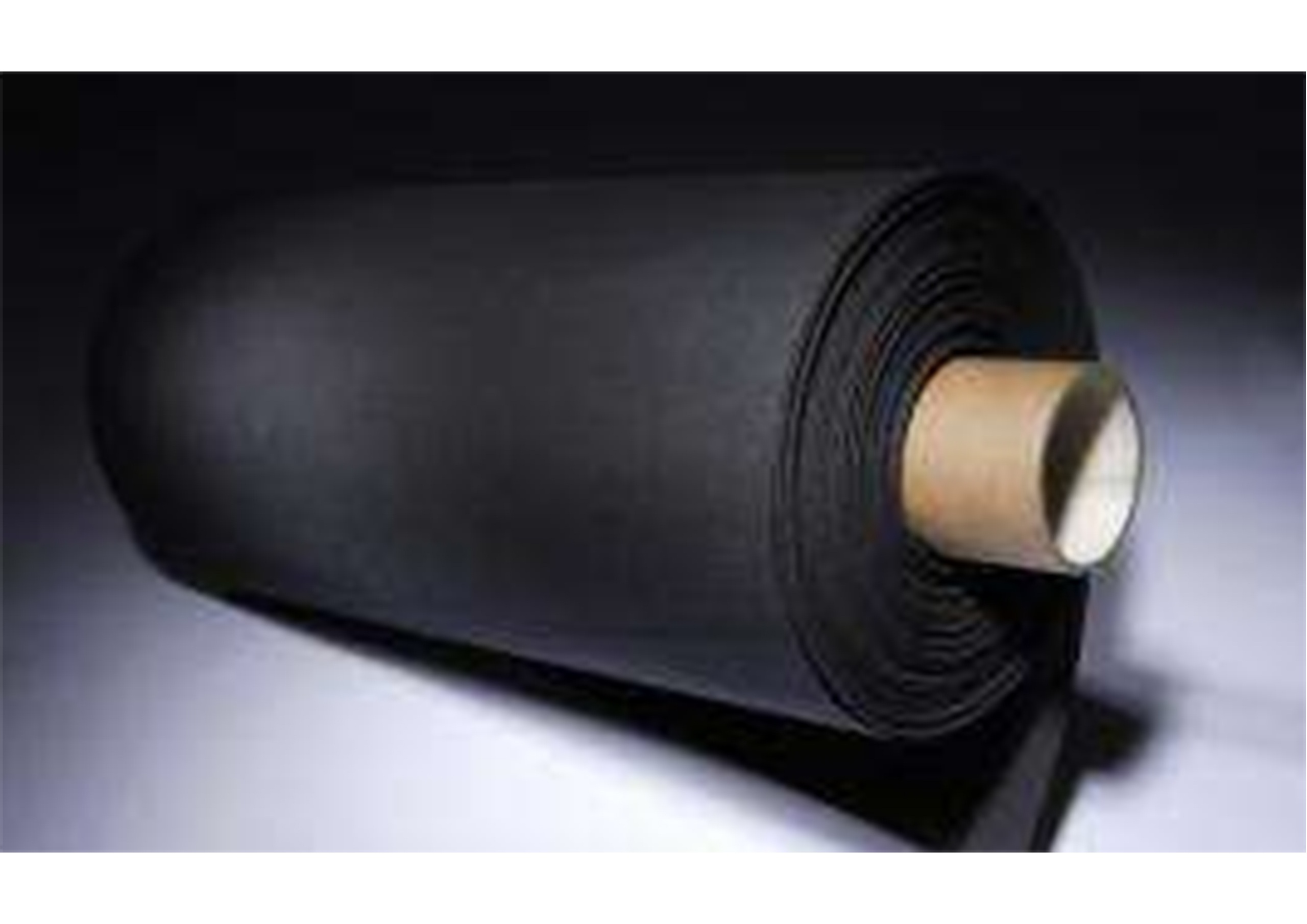
Carbon cloth, with its all-round characteristics of "high strength, high modulus, resistance to high and low temperatures, and excellent electrical and thermal conductivity", redefines the application boundaries of high-end materials.
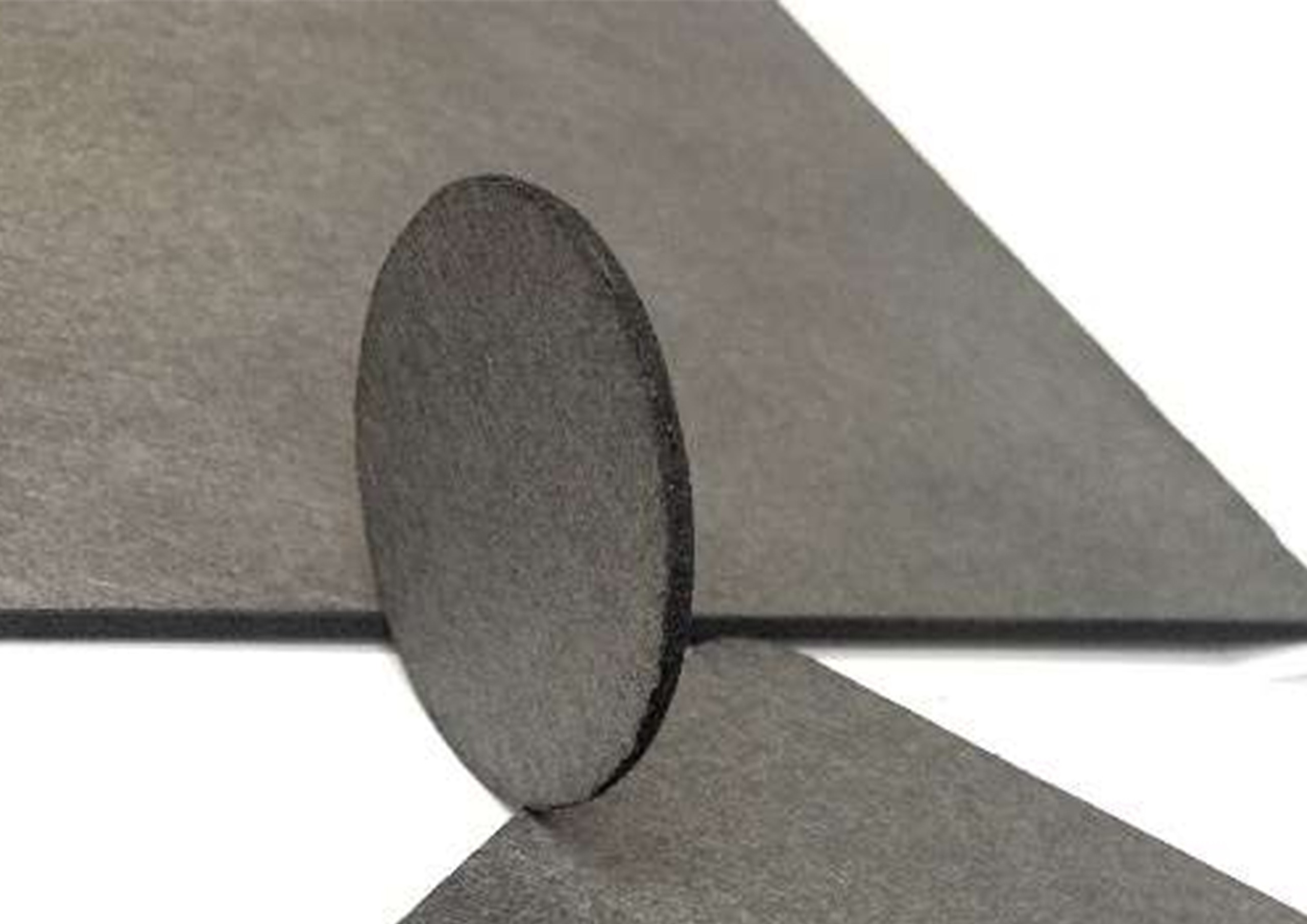
Carbon paper, with the advantages of "ultra-thin and dense, uniformly conductive, and low contact resistance", has become an "invisible bridge" for efficient energy conversion.