
Porous sintered titanium fiber mesh combining titanium corrosion resistance and light weight with high porosity and large surface area.
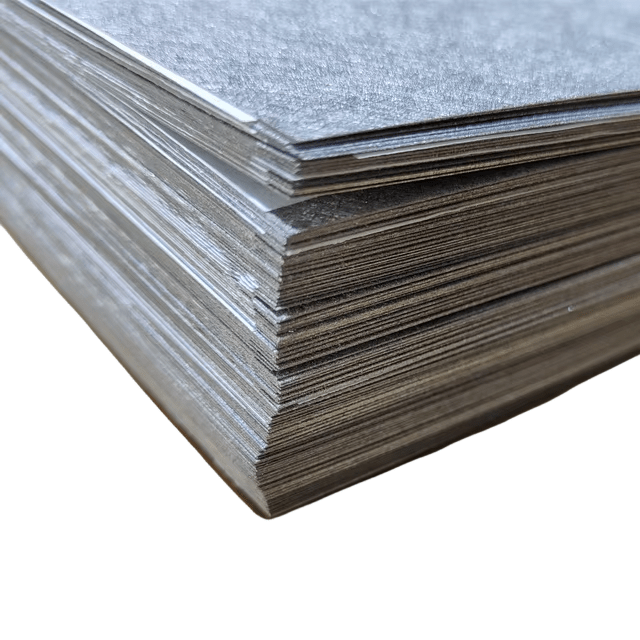
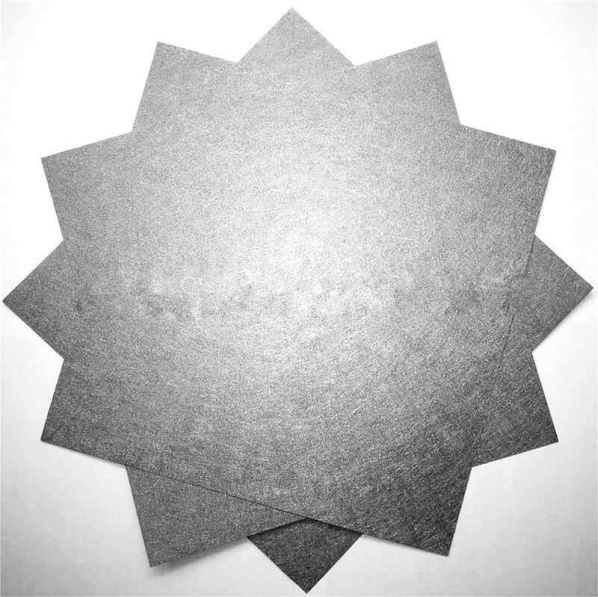
Titanium Fiber Felt is a porous material made by sintering fine titanium fibers into a felt-like, mesh structure. It combines the excellent corrosion resistance and lightweight properties of titanium with high porosity and surface area.
Q: What's the standard of titanium fiber felt?
A: Benchmarking Japanese process standards, we got excellent feedback from our customers.
Q: Why choose titanium fiber felt over carbon felt for electrolyzers?
A: Titanium fiber felt is oxidization-resistant, making it ideal for the oxygen-evolving anode side, where carbon felt degrades into CO₂/carbonates. It ensures long-term stability in acidic/alkaline environments, unlike carbon materials.
Q: Does titanium fiber felt require a coating for optimal performance?
A: While bare titanium works, a platinum (Pt) coating significantly enhances conductivity and reduces interfacial resistance, improving electrolyzer efficiency. Other coatings (e.g., IrO₂) can also be applied for specific needs.
Q: What thickness and porosity options are available?
A: Standard thickness: 0.2–3.5 mm (customizable). Porosity ranges from 50–90% — higher porosity improves gas diffusion, while lower porosity increases mechanical strength.
Q: Can you provide custom sizes or shapes for stack integration?
A: Absolutely! We supply standard sheets (e.g., 100×100 mm to 1×1 m), custom-cut shapes (circles, trapezoids for bipolar plates), and integrated GDL/catalyst layers (pre-coated with IrO₂, etc.).
Q: MOQ?
A: Low minimum order quantities for R&D; bulk discounts for production.
Q: Lead time?
A: 2–3 weeks (stock items ship in 5 days).