
The core of detection focuses on two dimensions: **structural characteristics (graphitization degree)** and **component content (purity)**. The following methods are mainstream practical techniques in the industry. Zhuzhou Chenxin Medium & High Frequency Equipment Co., Ltd. (founded in 2003, with 20 years of experience in R&D and manufacturing of high-end heat treatment equipment, and a national key high-tech enterprise) is a core thermal equipment supplier for the emerging strategic materials industry. Its series of graphitization furnaces can accurately match the processing needs of various carbon materials, not only ensuring the graphitization quality of materials but also providing standardized samples for subsequent detection. The following details are combined with material types and equipment characteristics.
I. Materials Suitable for High-Temperature Graphitization Furnace and Adaptation of Zhuzhou Chenxin Equipment
The core function of a high-temperature graphitization furnace is to convert various carbon materials into high-crystallinity graphite materials. Zhuzhou Chenxin’s product line covers an ultra-high temperature range of RT-3200°C, including multiple series of experimental and mass-production (vertical, continuous) equipment. It can adapt to the processing of all types of carbon materials such as natural graphite, artificial graphite, and carbon fiber, meeting both R&D and industrial production needs.
1. Natural Graphite
High-temperature graphitization can improve the purity and crystal structure of natural graphite, enhance its electrical conductivity and chemical corrosion resistance, and is suitable for high-end applications in fields such as batteries and high-grade lubricants.
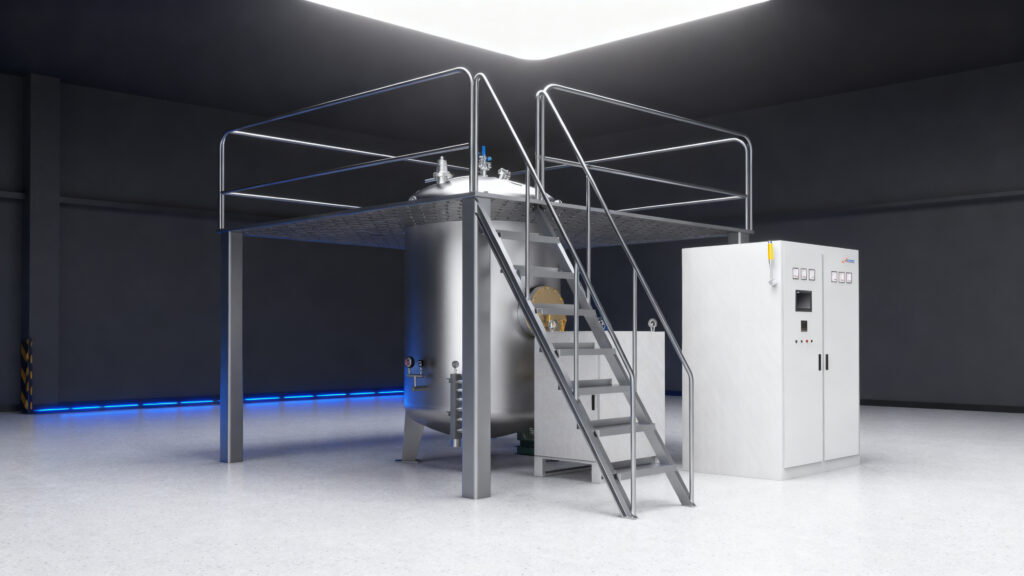
Chenxin Equipment Adaptation: Chenxin’s vertical high-temperature graphitization furnace (CX-GF40/100R series) has a long-term operating temperature of up to 3000°C and an ultimate vacuum degree of 1.2×10⁻³ mbar, with an optional high-vacuum configuration of 5×10⁻⁵ mbar. It can efficiently remove volatile impurities and ash from natural graphite in a vacuum environment below 2200°C, and accurately optimize the crystal structure. The temperature uniformity of the equipment is ≤±2°C when holding at 1750°C in a furnace chamber of Φ500×1000mm, ensuring the consistency of material performance after batch processing and providing standardized samples for subsequent XRD crystallinity detection and elemental analysis.
2. Artificial Graphite
Artificial graphite made from raw materials such as petroleum coke and needle coke has significantly improved purity, electrical conductivity, and mechanical properties after graphitization. It is a core raw material for lithium-ion battery anode materials, brushes, and seals.
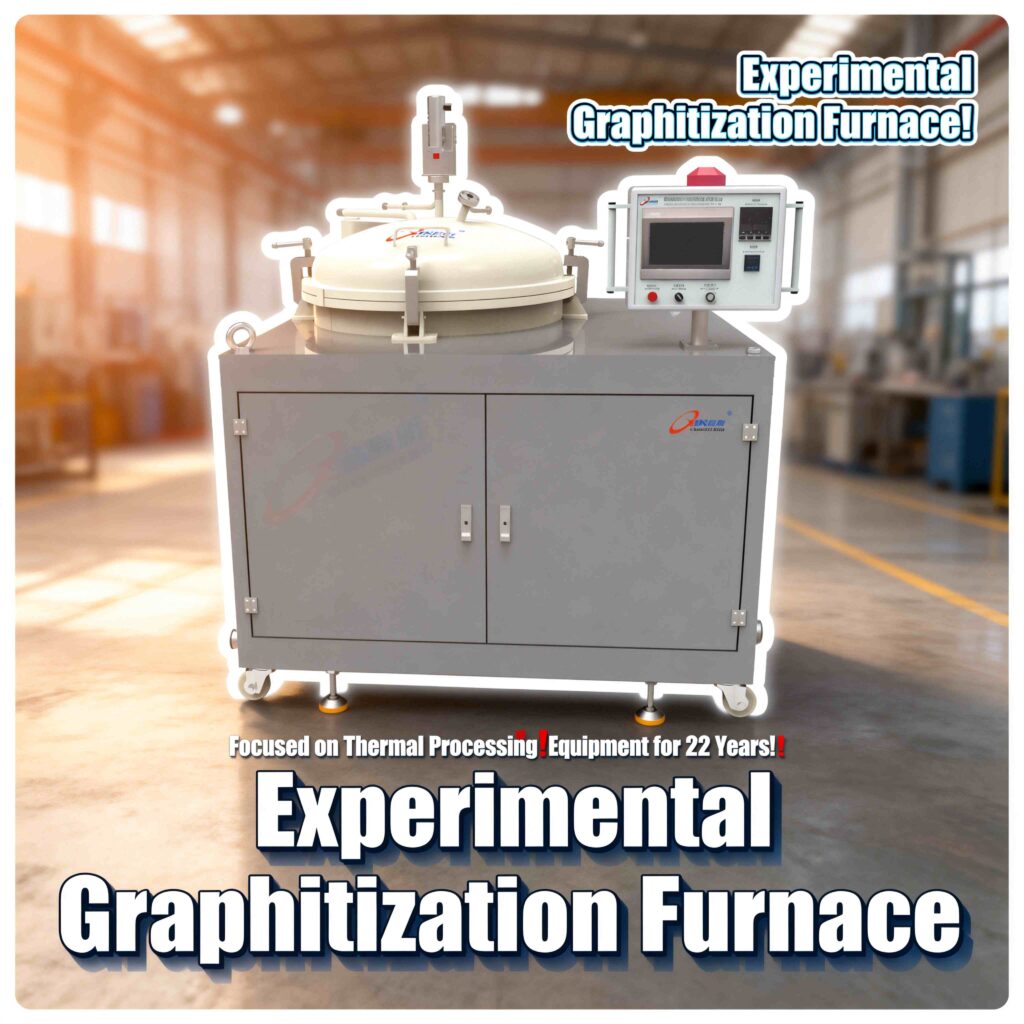
Chenxin Equipment Adaptation: The experimental CX-GF-Lab graphitization furnace can accurately reproduce industrial working conditions, supporting small-batch sample processing of 1-10 liters. It customizes heating curves through PID intelligent program temperature control (15°C/min from RT to 1500°C, 5°C/min from 2500°C to 3000°C), helping to optimize artificial graphite raw material formulas and process parameters. The mass-production continuous graphitization furnace can achieve continuous high-temperature processing at 2000-3000°C, adapting to large-scale graphitization of petroleum coke and needle coke. Its stable process control capability has been verified in a Saudi graphite anode material project, ensuring that batch products meet the purity requirements of the lithium battery field.
3. Carbon Fiber
Carbon fiber needs to undergo graphitization to enhance its strength, rigidity, and electrical conductivity, adapting to extreme environment application scenarios such as aerospace and high-end automobiles. It can also be used for the shaping and graphitization of carbon fiber filaments.
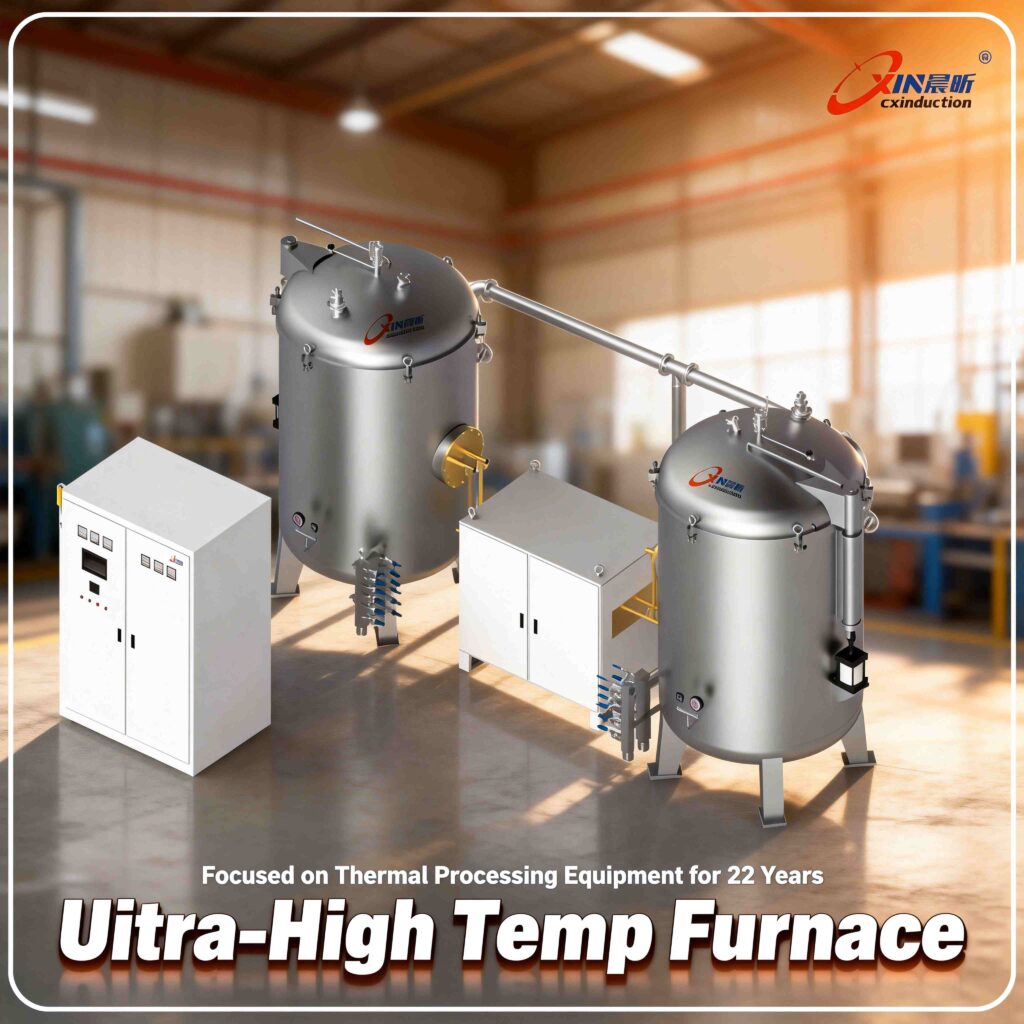
Chenxin Equipment Adaptation: Chenxin’s medium-frequency induction heating graphitization furnace adopts a unique furnace chamber design, with a temperature uniformity of ≤±10°C in the range of 1000-2200°C, which can accurately control the carbon fiber graphitization process and avoid structural defects. The equipment supports precise regulation of inert atmospheres such as argon and nitrogen to prevent high-temperature oxidation, adapting to the sintering and graphitization of carbon/carbon composites and carbon fibers. It meets both laboratory R&D and industrial mass-production needs, providing low-defect samples for TEM microstructure detection and Raman spectroscopy defect analysis.
4. Carbon Black and Activated Carbon
These materials are mostly used as adsorbents and catalyst carriers. In specific scenarios, graphitization is required to improve their electrical conductivity and thermal stability.
Chenxin Equipment Adaptation: Chenxin’s continuous graphitization furnace can achieve continuous processing at 2000-3000°C under inert atmosphere protection, forming an ordered graphite network inside carbon black and activated carbon and significantly improving electrical conductivity. The equipment adopts a high-purity graphite heating zone design to avoid contamination from furnace body materials, and is equipped with a comprehensive water, electricity, and gas measurement and control system to prevent material oxidation caused by abnormal cooling, ensuring the accuracy of SEM-EDS surface impurity detection and adapting to high-end catalytic and conductive material scenario needs.
5. Other Carbon-Based Materials
Including polyimide film (PI film), ceramic precursors, carbon-containing polymers, graphene, carbon nanotubes (CNT), etc., which require targeted graphitization modification to obtain desired properties.
Chenxin Equipment Adaptation: Vertical special equipment can realize the graphitization of PI films and graphene films into high thermal conductivity graphite films, and the maximum operating temperature of 3000°C can meet the needs of complete structural transformation of materials. Experimental equipment supports small-batch modification tests of ceramic precursors and carbon-containing polymers. The unique 5-time insulation treatment of the induction coil can prevent metal impurity contamination, adapting to graphene and CNT purification and iron removal processes. High-temperature treatment above 3000°C reduces the content of impurities such as Fe, ensuring the accuracy of ICP-MS trace element detection.
Key Process Control and Equipment Guarantee
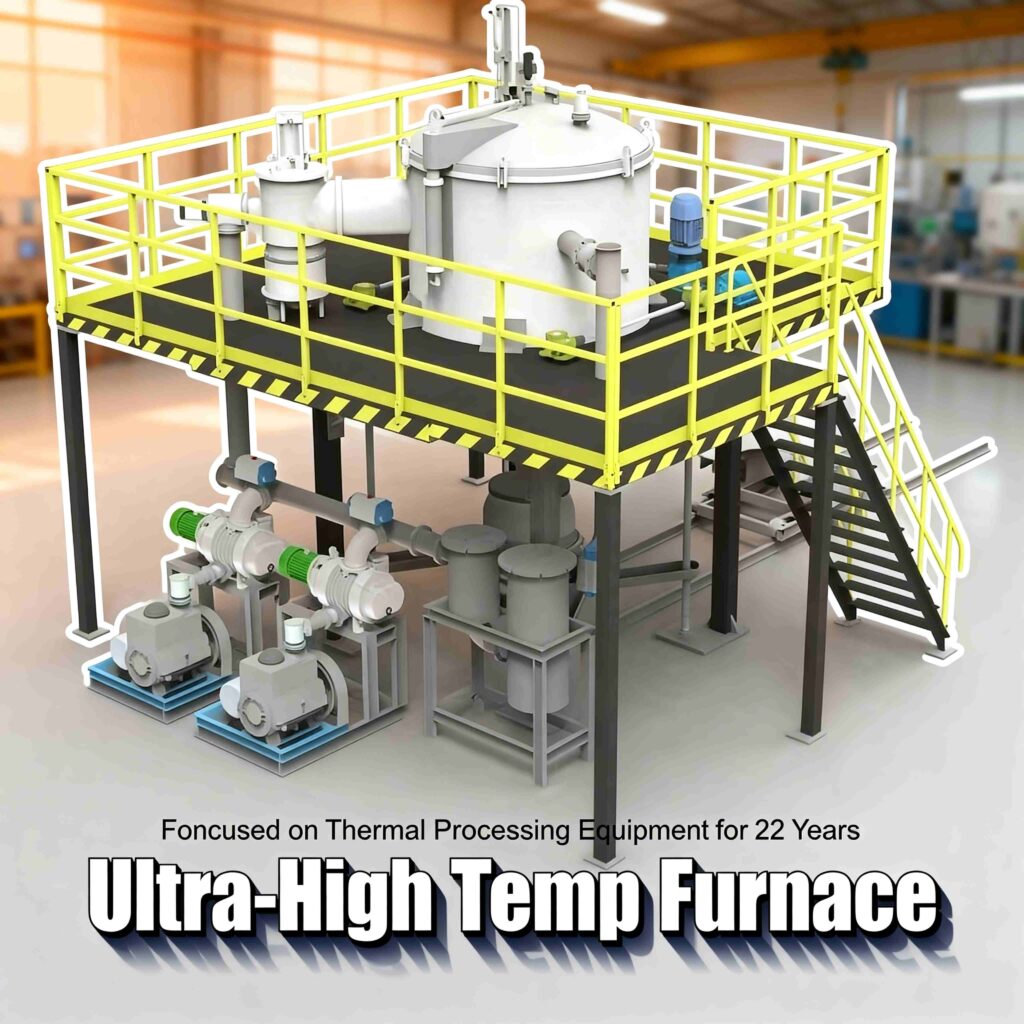
Different materials have significant differences in requirements for graphitization temperature, time, and atmosphere. Chenxin’s equipment is equipped with a 15-inch touch screen PLC control system, supporting both program and manual temperature control with a temperature control accuracy of ±1°C. It can real-time record and export temperature and atmosphere pressure data, facilitating process traceability and optimization. The equipment can switch between vacuum and inert atmospheres (vacuum environment is limited to below 2200°C), prevent material oxidation through precise atmosphere regulation, and is equipped with double-layer alumina insulation materials and efficient sealing design to reduce heat loss and protective gas consumption, balancing environmental protection and production efficiency.